Crypto institutional compliance: How firms manage trends
"The landscape of digital finance is shifting as traditional frameworks attempt to catch up with decentralized assets."
This transition involves specialized service divisions, strict reporting requirements, and oversight from global financial authorities.
Key takeaways: 1. Specialized divisions are being created to cater specifically to professional entities. * Regulatory bodies are increasing scrutiny on reporting and licensing to protect consumers. * Global market size and regional activity drive the necessity for structured compliance.
How do institutions manage crypto compliance trends?

Late at night in the quiet office, the compliance officer rubs weary eyes while scanning the shifting crypto compliance trends on the glowing monitor.
This constant oversight ensures that large-scale movements of capital do not violate jurisdictional laws.
In March 2024, Kraken introduced a dedicated division for institutional investors, Kraken Institutional.
This move addresses the specific needs of professional entities that require higher security and more rigorous operational standards than retail users.
Developing these specialized branches helps manage the complexities of crypto compliance trends. By separating retail and professional activities, firms can implement more robust internal controls.
This separation allows for targeted risk management and ensures that professional-grade tools meet the specific legal requirements of large-scale investors.
- Monitor evolving regulatory frameworks. 2. Integrate automated compliance software. 3. Update internal governance policies.
What drives the impact of crypto regulation? Crypto institutional compliance
At dawn, a weary auditor rubs tired eyes while staring at the massive scale of the crypto market on a glowing screen.
An auditor examines a ledger, cross-referencing digital wallet addresses with government-mandated reporting protocols. The tension between innovation and oversight defines the current era of digital finance.
The scale of the market makes oversight a necessity. According to CoinGecko, the global cryptocurrency market reached a total market capitalization of $2,756,555,535,555, with a 24-hour trading volume of $69,164,276,960 and 22,394 active coins.
Such massive volume necessitates clear rules to prevent market manipulation.
This scale highlights the impact of crypto regulation on global stability. When large sums move through digital channels, regulators step in to prevent systemic risks.
For instance, on 8 July 2021, Senator Elizabeth Warren, part of the Senate Banking Committee, wrote to the chairman of the SEC and demanded answers on cryptocurrency regulation due to the increase in cryptocurrency exchange use and the danger this posed to consumers.
In this sequence, the first step is the most critical.
How does compliance boost stability?
A manager oversees a secure data center, ensuring that every transaction is logged for future regulatory audits. The goal is to create a predictable environment where large-scale capital can move without legal friction.
Stability is often a byproduct of clear legal boundaries. When institutions know the rules, they can commit capital with greater confidence. This predictability is essential for the long-term growth of the digital asset class.
The transition toward stability is often driven by the need to prevent illegal activities.

On 20 May 2021, the Department of the Treasury announced that it would require any transfer worth $10,000 or more to be reported to the Internal Revenue Service since cryptocurrency already posed a problem where illegal activity like tax evasion was facilitated broadly.
These reporting requirements create a paper trail that assists in maintaining market integrity.
What are the risks of unregulated crypto investors?
A legal team reviews a document regarding a firm that operated without proper authorization in a specific region. They identify the potential liabilities that arise when entities bypass local laws.
According to the Department of the Treasury, any transfer worth $10,000 or more must be reported to the Internal Revenue Service because cryptocurrency has facilitated illegal activities such as tax evasion.
Operating without proper licensing can lead to significant legal hurdles. In 2020, the Securities Commission Malaysia said eToro was not licensed or registered to carry out regulated activities in Malaysia.
This serves as a reminder that global entities must adhere to local sovereignty to maintain legitimacy.
Regulated crypto investors often seek environments where the rules are clearly defined to avoid such conflicts. When firms operate outside of local mandates, they face the risk of sudden shutdowns or heavy fines.
Establishing a legal presence is a prerequisite for any institution looking to engage with regional markets.
How do global market rules affect institutional response to rules?
A strategist looks at a map of the world, noting the different regulatory climates in Europe and North America. They plan a deployment strategy that accounts for these varying legal landscapes.
Regional economic strength plays a significant role in how rules are applied.
This massive economic footprint necessitates a unified approach to oversight.
The institutional response to rules is often shaped by these regional realities. As different parts of the world consolidate their own standards, global institutions must adapt their operations to remain compliant across borders.
This creates a push for standardized reporting and verification processes.
How can a firm implement institutional crypto adherence?
A compliance officer follows a checklist to ensure every new protocol meets the firm's internal and external standards. Each step is a deliberate move to mitigate risk and ensure continuity.
To establish a compliant framework, firms generally follow these steps:
- Establish dedicated divisions to separate institutional activities from retail operations. 2. Implement automated reporting systems to meet government-mandated thresholds. 3. Conduct regular audits to ensure all activities align with local licensing requirements.
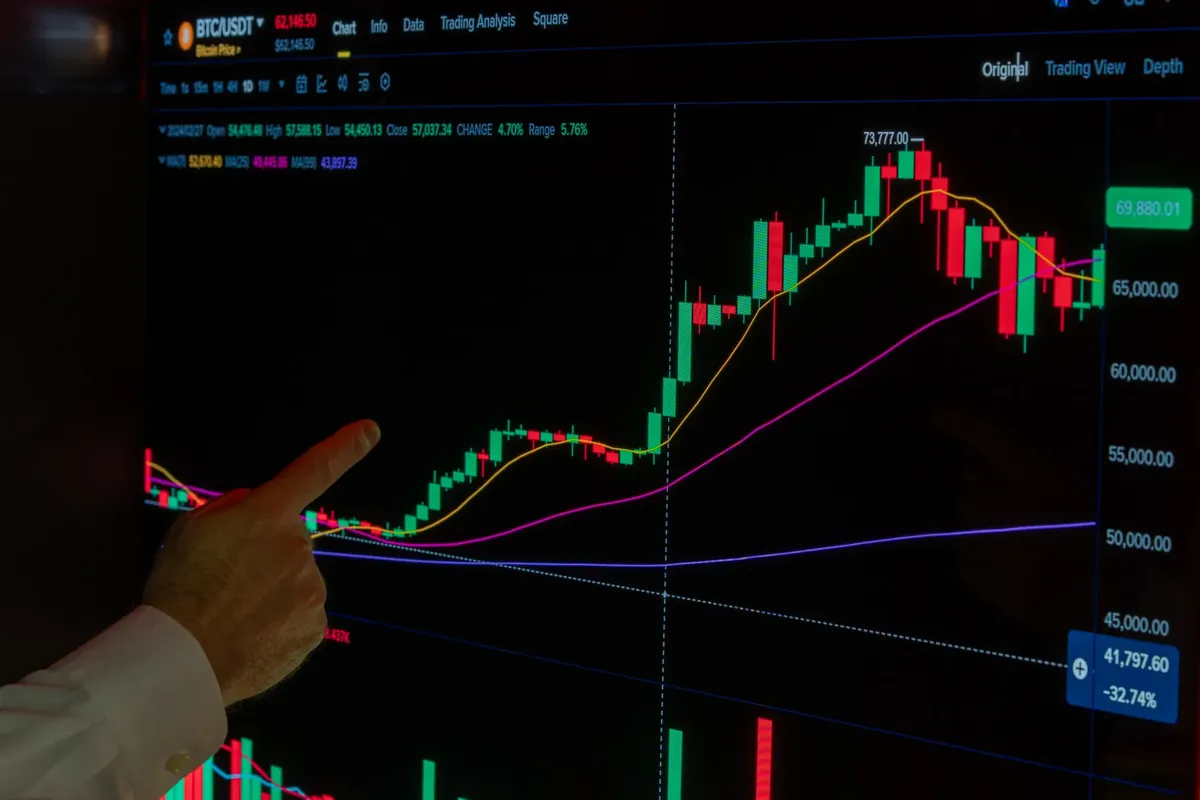
A final check ensures that all internal controls are functioning as intended before any large-scale transaction occurs. I once observed how these layered checks prevented a single misreported transfer from causing a massive compliance failure.
| Metric | Value |
|---|---|
| Global Market Cap | $2,756,555,535,555 |
| 24h Trading Volume | $69,164,276,960 |
The limitation of these regulatory measures is that they primarily focus on existing transaction thresholds and may not account for the rapid evolution of decentralized finance protocols.
- Institutional players are increasingly integrating regulatory adherence into their core operations to mitigate risks and stabilize market participation.
- A compliance officer sits at a desk, reviewing a series of digital transaction logs that must align with international standards.
- As the market expands, the need for specialized structures becomes evident.
The subject here is Crypto institutional compliance.
The same subject is also called Stable crypto market rules.
Related
- Exchange security builds trust: How standards guide finance
- Crypto exchange growth guide to structured financial utility
The Department of the Treasury, on 20 May 2021, announced that it would require any transfer worth $10,000 or more to be reported to the Internal Revenue Service since cryptocurrency already posed a problem where illegal activity like tax evasion was facilitated broadly.








Comments 0