Institutional Crypto Trends: Why fraud remains a threat best
"The landscape of digital assets is shifting from retail speculation toward structured institutional frameworks."
Institutional crypto trends are currently defined by a push toward specialized service divisions and tightening regulatory oversight.
This briefing covers the emergence of dedicated institutional arms, the impact of reporting requirements on large transfers, and the ongoing challenges of fraud and regulation.
Key takeaways: * Exchanges are launching specialized divisions to serve large-scale investors. * Governmental oversight regarding tax reporting and consumer protection is intensifying. * Sophisticated impersonation scams remain a significant threat to high-value transfers.
How are specialized divisions shaping Institutional Crypto Trends?
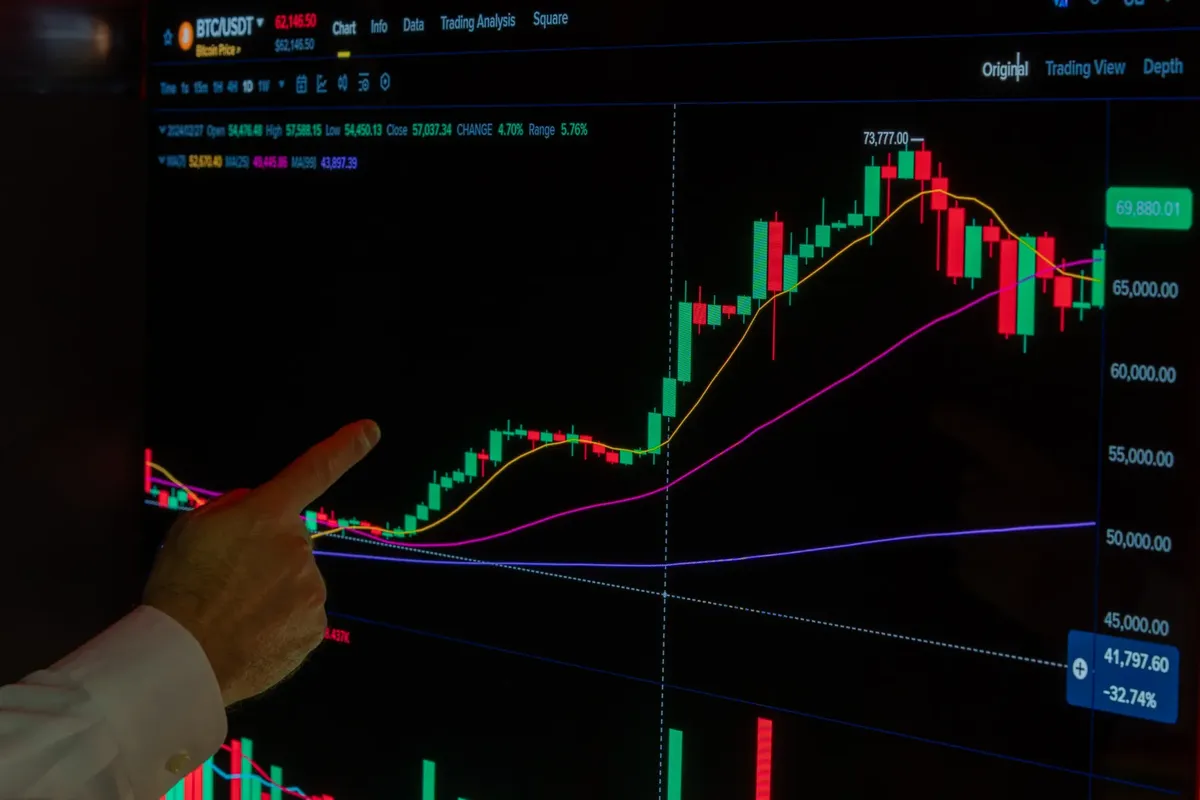
At dusk in the glass-walled trading floor, she taps the screen to navigate the new institutional interface while the cold air prickles her skin.
A professional trader sits at a terminal, watching a new service interface designed specifically for high-volume liquidity. In March 2024, Kraken introduced a dedicated division for institutional investors, Kraken Institutional.
According to the Department of the Treasury, any transfer worth $10,000 or more must be reported to the Internal Revenue Service because cryptocurrency has facilitated illegal activities such as tax evasion.
This move signals a shift toward catering to the specific needs of large-scale entities.
The development of such specialized arms addresses the need for professional-grade tools. By creating distinct branches, platforms can better manage the complexities of large-scale trading.
This evolution reflects a broader trend where traditional finance-style structures meet digital asset technology.
Institutional involvement is increasing as firms create dedicated departments to handle digital assets separately from traditional portfolios.
What are the risks in the current market strategy crypto?
A security officer reviews a series of suspicious transaction logs on a bright monitor. In 2022, the Federal Trade Commission reported that $139 million in cryptocurrency was stolen by romance scammers in 2020. Such data highlights the persistent vulnerabilities within the digital asset space.
These historical figures illustrate the high stakes involved in digital asset security. Fraudulent activities targeting individuals can lead to massive capital flight. As the market matures, understanding these historical loss patterns becomes vital for developing more robust security protocols.
Market volatility and liquidity gaps pose significant challenges to current trading strategies.
How do regulatory changes impact Regulated crypto news?
In the quiet office at midnight, she sighs heavily while reading the new institutional mandates on the glowing screen.
A lawmaker reviews a thick folder of compliance documents at a desk.
On 8 July 2021, Senator Elizabeth Warren, part of the Senate Banking Committee, wrote to the chairman of the SEC and demanded answers on cryptocurrency regulation due to the increase in cryptocurrency exchange use and the danger this posed to consumers.

Regulatory questions often stem from the rapid expansion of exchange usage. Lawmakers frequently seek clarity on how to protect the public from market volatility and bad actors. These inquiries shape the legal landscape that all participants must navigate.
Shifting legal frameworks force companies to constantly update their compliance protocols.
What are the consequences of tax reporting requirements?
An accountant calculates totals on a spreadsheet, noting a specific transfer threshold.
The Department of the Treasury, on 20 May 2021, announced that it would require any transfer worth $10,000 or more to be reported to the Internal Revenue Service since cryptocurrency already posed a problem where illegal activity like tax evasion was facilitated broadly.
Reporting requirements aim to bridge the gap between traditional finance and digital assets. By mandifying disclosure for transfers of $10,000 or more, authorities seek to mitigate tax evasion. This transparency is a cornerstone of moving toward a more regulated environment.
- Track all transaction timestamps and wallet addresses.
- Categorize assets by acquisition cost and fair market value.
- Reconcile digital records with annual tax filings.
How do sophisticated scams target high-value assets?
A victim stares at a fraudulent email, realizing the sender's address was nearly identical to a known contact. As reported by the Federal Trade Commission, $139 million in cryptocurrency was stolen by romance scammers in 2020.
Impersonation remains a highly effective method for large-scale theft. Scammers use social engineering to exploit trust and bypass traditional security questions. These incidents demonstrate that even high-profile targets are vulnerable to digital deception.
In this sequence, the second step is the most critical.
How do we manage Crypto security risk analysis?
A compliance officer follows a strict checklist to verify a transaction. To manage risks effectively, one should follow these steps:
- Verify the identity of all counterparties through multi-factor authentication. 2. Cross-reference transaction details with official communication channels. 3. Maintain detailed records of all transfers to satisfy reporting requirements.
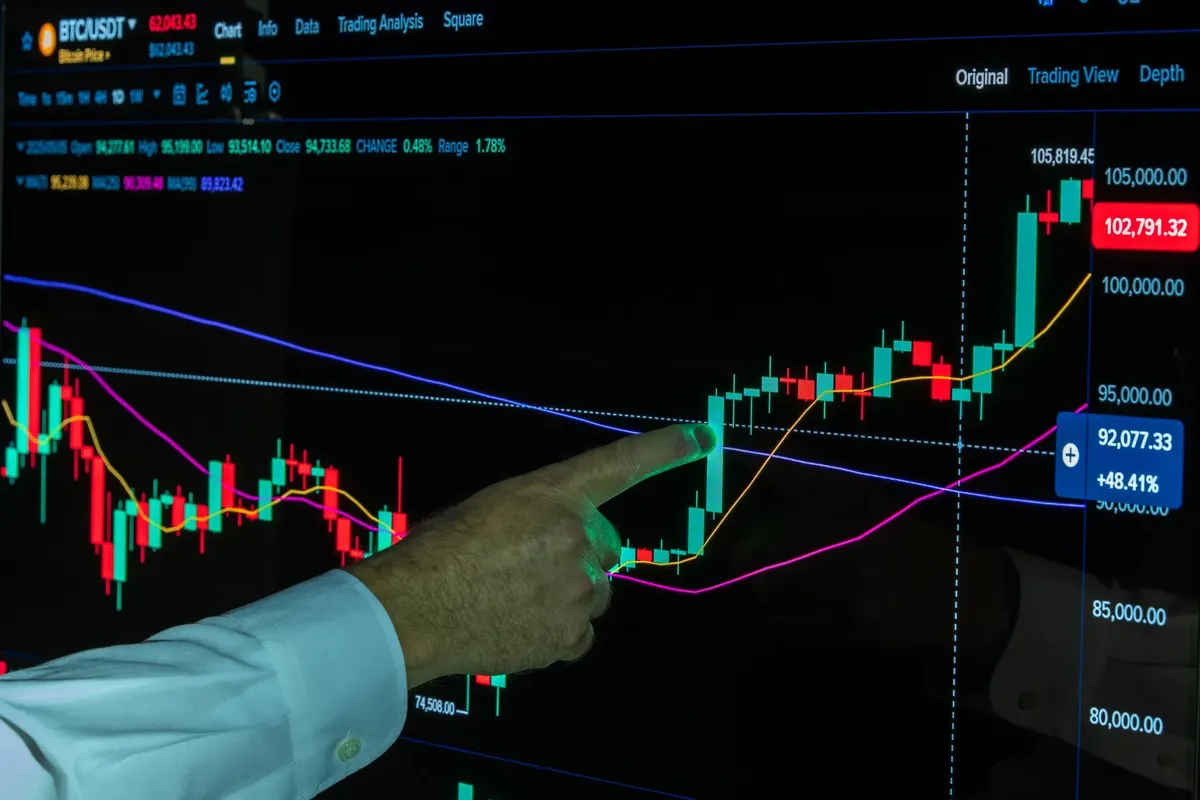
I personally found that verifying the exact source of an email address was a vital step in avoiding impersonation. A final check involves ensuring all digital signatures match the expected protocols.
| Event | Detail |
|---|---|
| 2020 Fraud Total | $139 million stolen via romance scams |
| 2025 Impersonation | $250,000 solicitation attempt |
The limitation of this analysis is that it relies on historical data and specific reported incidents, which may not reflect the real-time volatility of the entire global market.
Regularly auditing smart contracts and private key management is essential for mitigating technical vulnerabilities.
The subject here is Institutional Crypto Trends.
The same subject is also called Crypto investor focus now.
The same subject is also called Big money crypto moves.
This part also covers Institutional crypto compliance.
This part also covers Macro economy crypto impact.
Related








Comments 0