99% energy reduction guide: Blockchain's shift to efficiency
"The shift from simple trading to regulatory compliance and technical efficiency is reshaping the entire digital asset landscape."
The cryptocurrency market is evolving from a wild-west trading arena into a sophisticated ecosystem defined by legal frameworks and energy-efficient protocols. As the industry matures, users are increasingly prioritizing security and regulatory protection over speculative gains.
* The sheer scale of the global market is driving a qualitative shift in service quality. * Increased oversight from regulatory bodies is expanding the accountability of service providers. * Energy-efficient blockchain technology has emerged as a decisive factor in choosing reliable platforms.

How massive is the global market?
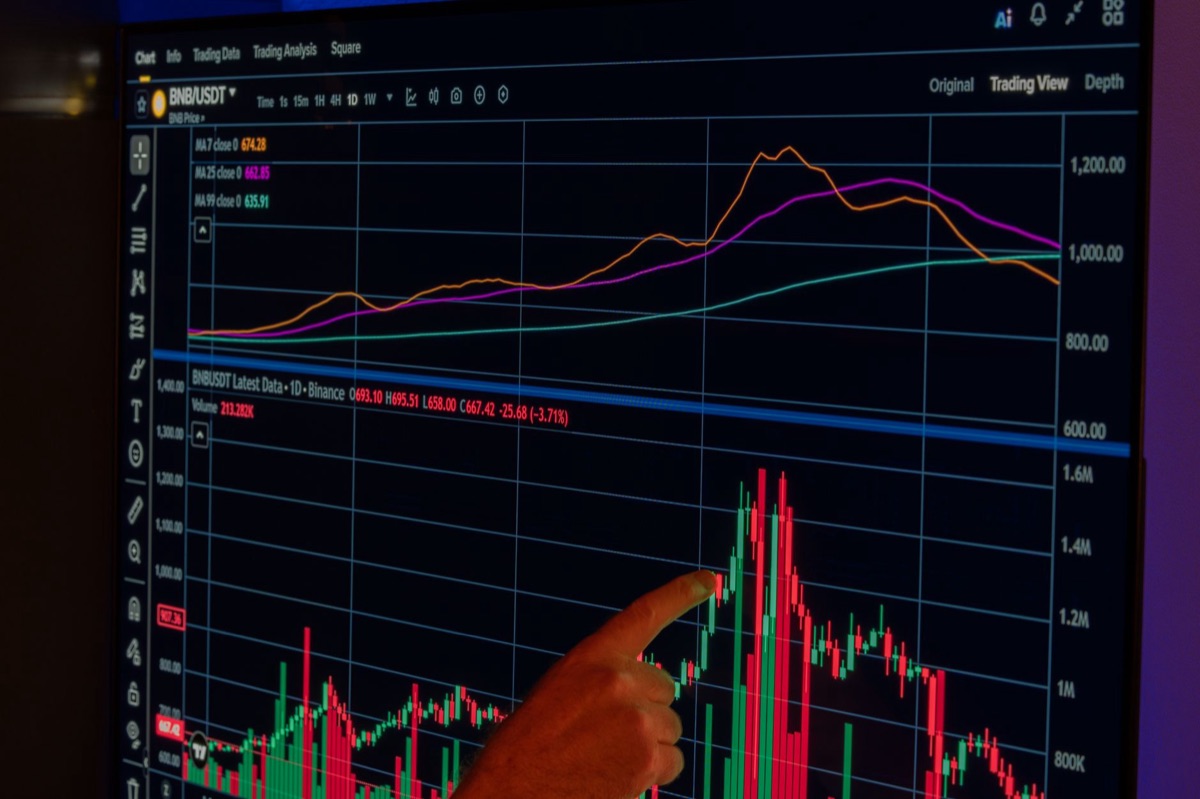
Late at night, the blue light from a monitor illuminates a face as eyes dart between complex price charts. The sheer volume of capital moving through the digital economy is staggering.
According to CoinGecko, the global cryptocurrency market has a total market capitalization of $2,932,572,598,907, with a 24-hour trading volume of $107,737,988,817.
This massive scale makes the stability of service providers more critical than ever. According to CoinGecko, there are 21,776 active coins in the market, with Bitcoin maintaining a dominant market share of 58.7%.
In such a vast environment, the reliability of the platforms hosting these assets becomes the primary concern for participants.
| Metric Item | Market Data Value |
|---|---|
| Global Total Market Cap | $2,932,572,598,907 |
| 24-Hour Trading Volume | $107,737,988,817 |
| Active Coin Types | 21,776 |
| Bitcoin Market Share | 58.7% |
However, sheer size does not guarantee safety, as the rules of the game are rapidly changing.
How does regulation change the face of services?
A lawyer sits at a heavy oak desk, sighing as they organize a mountain of complex legal documents and thick binders. The legal responsibilities faced by service providers are raising transparency while simultaneously increasing the difficulty of operations.
In August 2022, Robinhood's cryptocurrency division was fined $30 million by the New York State Department of Financial Services for allegedly violating anti-money-laundering and cybersecurity regulations, in the department's first cryptocurrency-related enforcement action.
Regulation defines the nature of a service and acts as a powerful tool for consumer protection.
According to the Financial Conduct Authority (FCA), fewer than one in 10 potential cryptocurrency buyers were aware of consumer warnings on the FCA website, and 12% of crypto users were not aware that their holdings were not protected by statutory compensation.
These gaps in awareness provide the necessary momentum for regulators to enforce transparency.
The cost of compliance is a reality that every provider must face. The $30 million fine levied against Robinhood illustrates the heavy price of failing to meet cybersecurity and anti-money-laundering standards. However, most people overlook the most critical aspect of this shift.
Does technological evolution increase service efficiency?
The rhythmic clicking of a developer's mechanical keyboard echoes through a quiet, dimly lit office as they test a new consensus algorithm. Technical shifts directly dictate the operational costs and the user experience of any digital service.
The transition of blockchain technology determines the long-term sustainability of the market. For example, following The Merge in September 2022, Ethereum transitioned from energy-intensive mining to an efficient Proof of Stake consensus mechanism, reducing energy consumption by over 99%.
This technological shift transformed the operational structure of the network in several ways:
- Drastic reduction in energy consumption: Following the transition, energy consumption dropped by approximately 99.95%, making Ethereum environmentally sustainable.
- Enhanced network security: The Proof of Stake mechanism allows the network to operate through thousands of independent nodes worldwide rather than through a central authority.
- Dynamic fee structures: The base fee adjusts dynamically, increasing by 12.5% when blocks are more than 50% full and decreasing by the same amount when blocks are less full.
The real question remains: what happens to the people behind the screens?

How do security and fraud threaten service trust?
In a darkened room, the flickering light of a computer screen reveals a moment of sudden tension as a user realizes their credentials have been compromised. The trust in a service is as much about user-end security as it is about the code itself.
According to the Federal Trade Commission, in 2022, the commission reported that $139 million in cryptocurrency was stolen by romance scammers in 2020.
I remember sitting in a quiet cafe, watching a friend's face turn pale as they realized they had clicked a suspicious link on their phone. It was a sobering reminder of how easily a digital life can be upended.
The fact that $1g9 million was lost to social engineering tactics highlights that technical perfection does not equal total safety. The changing patterns of fraud directly impact the reputation and user retention of any platform.
To maintain trust, providers must focus on these areas:
* The necessity of user education: Because awareness of regulatory warnings remains low, services must provide clear, in-app guidance. * Evolving fraud patterns: Security systems must evolve to combat increasingly sophisticated social engineering and identity theft. * Legal protection transparency: Since many users do not realize their assets lack statutory protection, clear disclosures are mandatory.
Where is the future of digital services heading?
As the sun rises over a city skyline, a strategic planner studies a map of emerging global markets. The future of digital finance will be born at the intersection of heavy regulation and breakthrough efficiency.
Current trends suggest that services will increasingly move into the institutional mainstream. For instance, starting in 2026, profits from individual cryptocurrency transactions in Nigeria will be taxed at a maximum rate of 25%.
Such global shifts in tax policy will dictate how service models are built and how users move between jurisdictions.
As regulatory frameworks become more established, the shape of the industry will become more refined. Service providers must prepare for the following:
- Tax and legal compliance: Operators must build models that can adapt to varying national tax rates and legal requirements.
- Transparent asset management: Systems must satisfy both institutional investors and individual users through clear auditing.
- Technological efficiency: Maintaining a lead in energy efficiency and network stability will become the primary competitive advantage.
Related







Comments 0