When choosing a cryptocurrency wallet, why are "hardware wallets" considered the most secure?
When it comes to holding cryptocurrency, choosing the right "wallet" is crucial. Unlike software wallets, which are only protected by a password, hardware wallets store your private keys on an external security device, completely isolating them from hacking and malware attacks. This makes it virtually impossible for overseas attackers to access your funds, and significantly reduces the risk of actual asset loss.
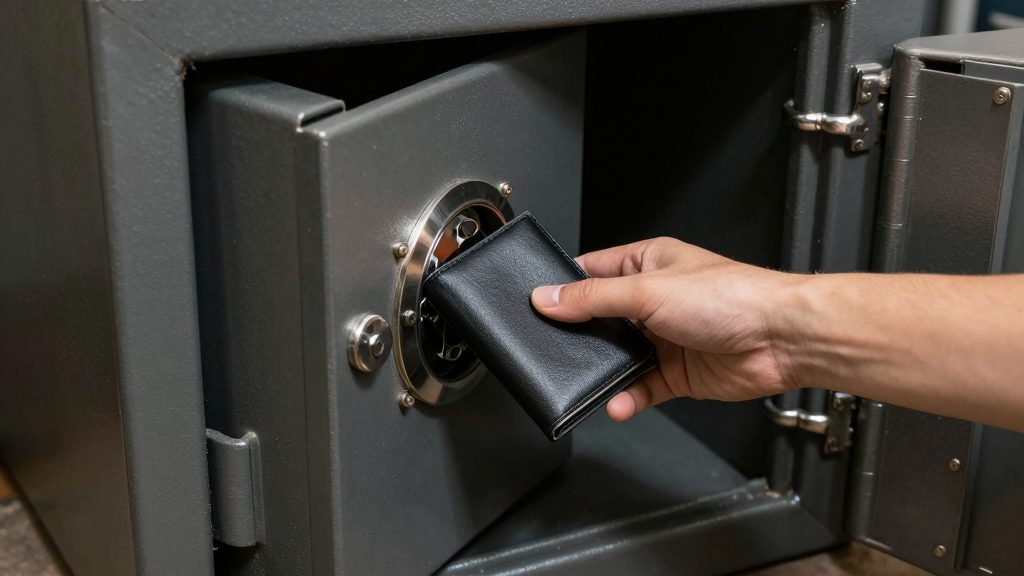
In what situations is a hardware wallet essential?
- If you hold a large amount of cryptocurrency or plan to hold it for the long term.
- > In short: Hardware wallets are ideal for long-term storage and holding large amounts.
- > Further explanation: Software wallets pose a risk when connected to a PC or smartphone. In contrast, hardware wallets store your private keys in an "offline" state due to physical isolation, making it difficult for anyone to access them except for gas fees or attacks on the blockchain network.
- If you hold a variety of cryptocurrencies.
- > In short: Hardware wallets can support multiple tokens and blockchains simultaneously.
- > Further explanation: Most hardware wallets recognize a wide range of tokens, including major ones like Bitcoin, Ethereum, and Solana, as part of their built-in system, allowing users to configure them directly. However, support for specific custom tokens may vary, so it's important to check the wallet specifications beforehand.
- If you are not confident in the security of your smartphone or PC.
- > In short: Even if your device is hacked, a hardware wallet will not expose your private keys.
- > Further explanation: If your smartphone is at risk due to malicious apps or phishing attacks, a hardware wallet is a "simple device that only requires input," so the risk of exposure is relatively low. Your private keys are stored in internal memory and are not transmitted externally.
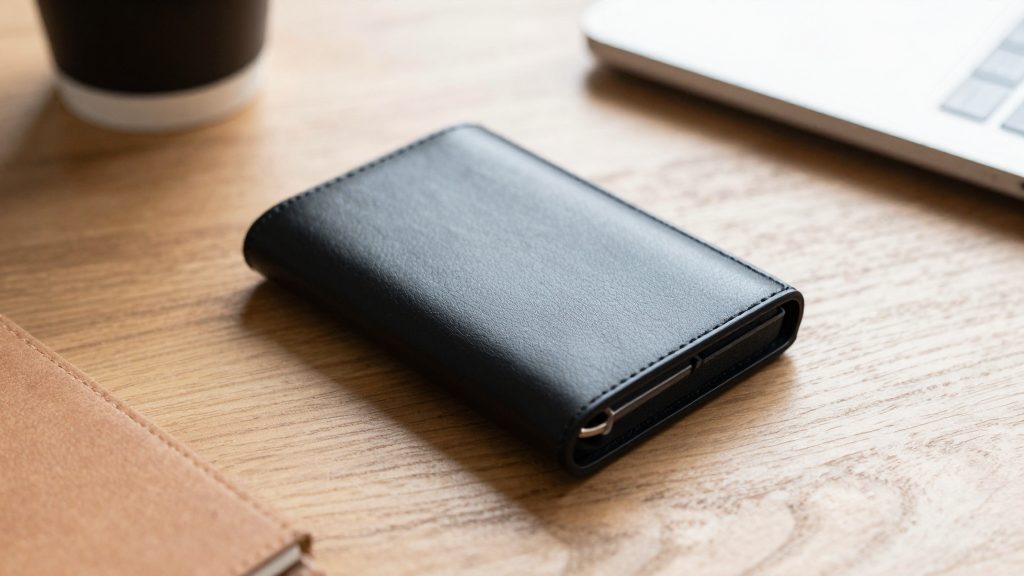
- If you are curious about how convenient it is to recover your assets.
- > In short: Recovery only requires the ciphertext (backup key), and the wallet itself is not damaged during the recovery process.
- > Further explanation: Hardware wallets typically provide a 12- or 24-character recovery key. With just this key, you can recover your assets to another wallet, but never share or store the recovery key digitally. It is safest to write it down on paper or keep it in a durable metal storage format.
- Can you trust that your private keys will not be accessed even without directly handling them?
- > In short: Hardware wallets are designed based on "security engineering," making it impossible for attackers to extract your private keys.
- > Further explanation: Wallet manufacturers do not create or store your private keys from the beginning; they only recognize the password you set. Internal security protocols (e.g., layered encryption) also resist physical attacks (e.g., chip analysis). This design has been verified in products that have obtained security certifications (e.g., Ledger, Trezor).
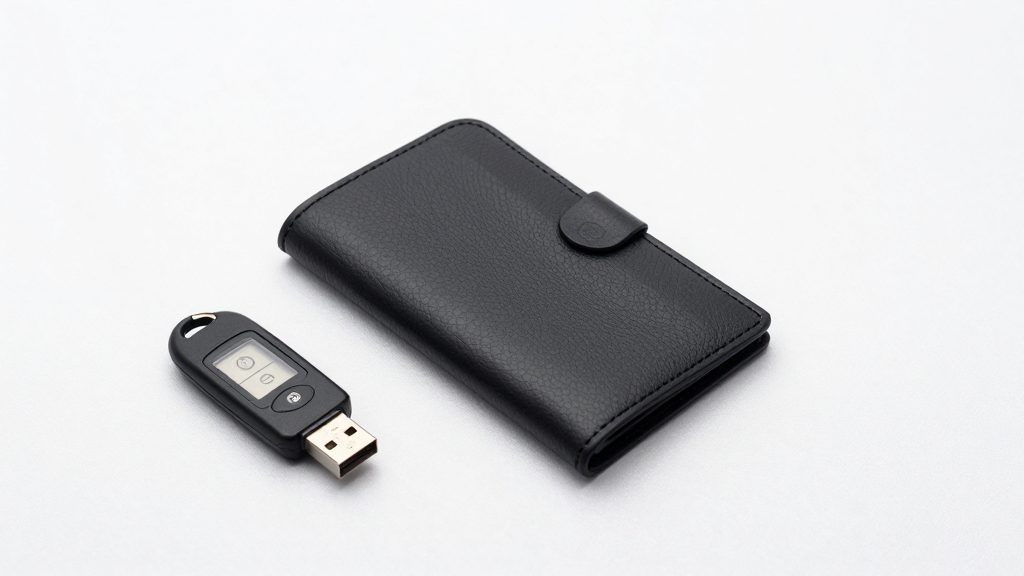
Frequently Asked Questions
Q. Can I still be hacked even if I use a hardware wallet? > A. While the risk of user error still exists, the possibility of private keys being leaked due to technical attacks is extremely low. The main risk factors are insecure wallet settings, exposure of the recovery key, or manipulation of wallet commands by malicious software. These are user behavior issues that are independent of the technical security of hardware wallets.
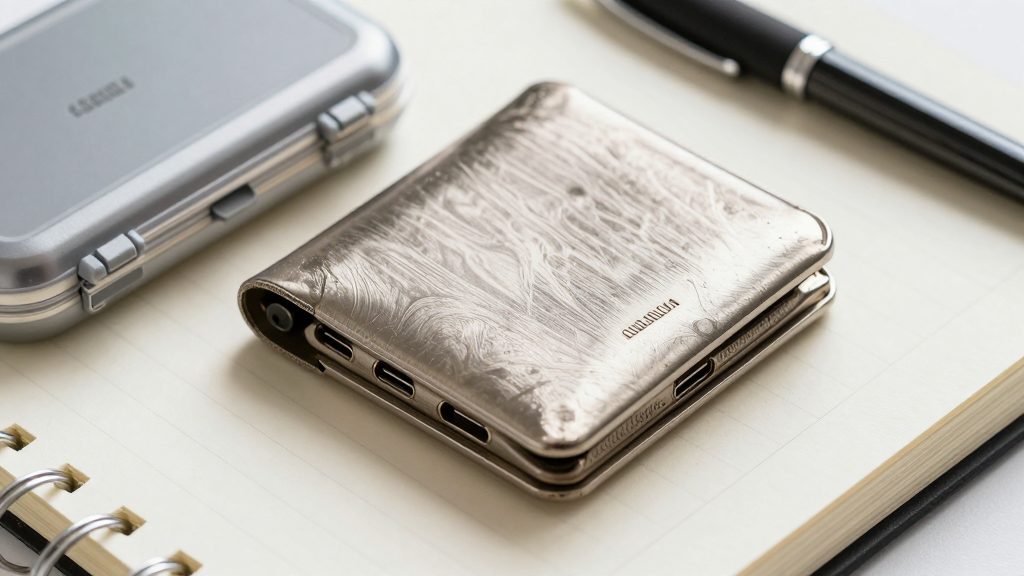
Q. How do I handle blockchain transactions if I buy a hardware wallet? > A. The wallet only signs the transaction; it actually transmits the transaction from a connected PC or smartphone. However, since your private keys remain within the wallet, no one can transfer your assets until the signature is completed.
Q. Hardware wallets seem expensive and complicated, but what are they actually like to use? > A. While the initial setup may be a bit difficult, it is much easier to use than most software wallets after the basic settings are complete. The user interface is generally intuitive, and you only need to pay special attention when entering the recovery key. They are particularly efficient for long-term storage.
---
This article is structured around practical criteria and comparisons, based on the core principles of cryptocurrency asset preservation. Hardware wallets provide a reliable protection structure against "technical attacks" rather than defending against "user errors." If you want to keep your assets safe in the long term, this is not just a choice but a necessity.
Related posts
Here are 4 essential practical checks to make before investing in a blockchain project.

Four Essential Conditions to Check Before Investing in Cryptocurrency.
How to Choose a Cryptocurrency Exchange.
Why is choosing the right cryptocurrency wallet one of the most important decisions when holding cryptocurrencies?
Popular posts
Here are 4 essential practical checks to make before investing in a blockchain project.
Four Essential Conditions to Check Before Investing in Cryptocurrency.
Comments 0