How to Choose a Cryptocurrency Exchange.
For those new to cryptocurrency or looking to change their investment strategies, choosing the right exchange is crucial for success. Since it's a platform where you entrust your assets, you need to comprehensively evaluate various factors such as security, trading fees, supported currencies, and user interface. A wrong choice can lead to asset loss, delayed transactions, or high costs, so a systematic approach is necessary.
Step 1: Prioritize Security Infrastructure
Because cryptocurrency is a digital asset, the exchange's security level directly impacts its viability. Two-factor authentication (2FA) should be mandatory, and app-based authentication (e.g., Google Authenticator, Authy) is more reliable than phone-based authentication. Additionally, check if it supports multisignature (Multisig) and whether the holding wallet is segregated. This ensures that only authorized users can withdraw assets.
Tip: It's important to check if the exchange publishes a "Customer Asset Protection Policy." This indicates whether they store assets separately.
Step 2: Accurately Compare Fee Structures

Trading fees can vary significantly between exchanges, and making a decision based solely on a simple "0.1%" figure can be misleading. You need to check if fees are separated for limit orders, market orders, and execution time. For those who frequently execute high-volume trades, understanding the exchange's internal rebate structure (Maker-Taker model) is crucial. Generally, this involves lower fees for placing orders and higher fees upon execution. Long-term holders or swing traders should carefully analyze this aspect.
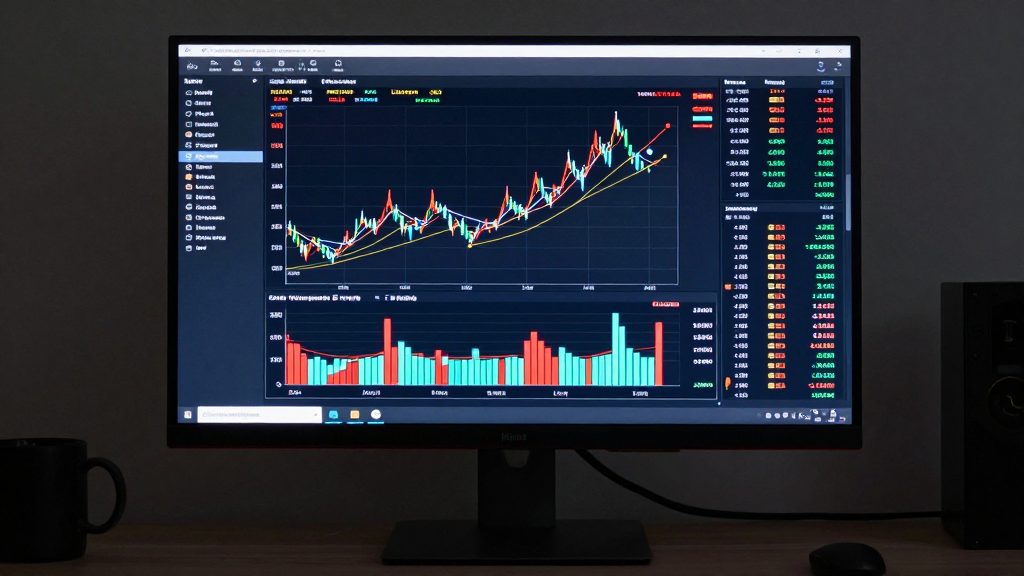
Tip: Check the exchange's fee page for policies like "volume-based discounts" or "holding discounts." If the cost decreases as you hold more assets, it can be advantageous in the long run.
Step 3: Evaluate the Variety of Supported Currencies and Trading Pairs
If you want to trade a wide range of cryptocurrencies, check if the exchange supports not only major currencies (BTC, ETH, USDT, etc.) but also altcoins or new tokens. It's also important to check if it offers services like staking or yield farming. Some exchanges offer interest rates of 3-8% per year simply for holding assets. However, this is only applicable if the exchange operates its own protocol, and you should also check for integration with external layers.
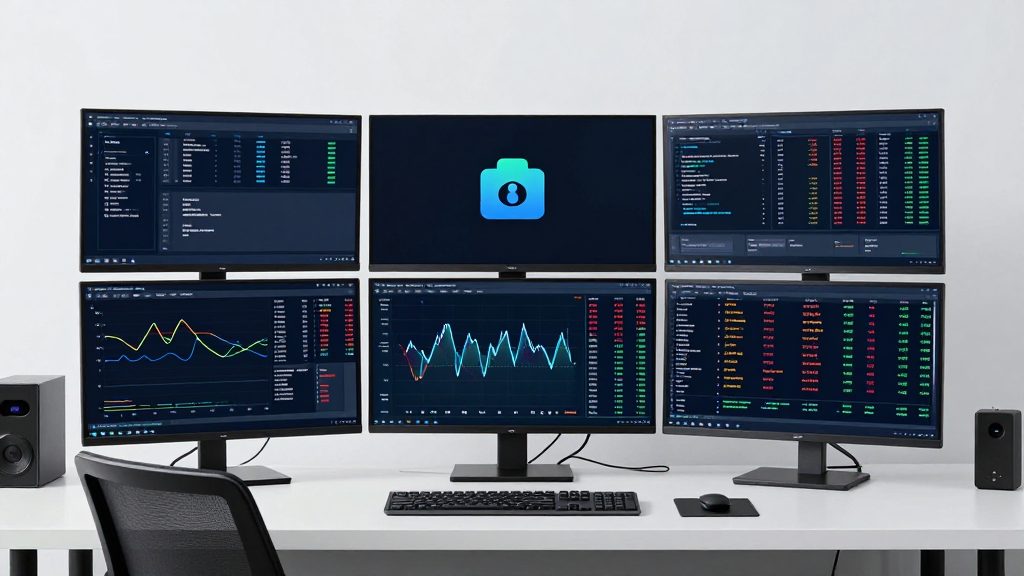
Step 4: Check the Completeness of the User Interface and Features
For beginners, a simple and intuitive UI is essential. The accuracy of real-time execution details and charting analysis tools are also important evaluation criteria. Check if the mobile app is more stable than the desktop version, or, for professional traders, whether it supports APIs. Check if it offers automated trading (bots) via APIs and whether the notification system (e.g., price alerts) works correctly.
Step 5: Test Customer Support and Response Times
Quick response to issues is crucial. Check for official channels (announcements, FAQs) as well as live chat, email support, and the exchange's responsiveness on social media. In urgent situations (e.g., withdrawal delays, account lockouts), the speed of response is critical. Check the official website for customer service hours and the types of support tools available (e.g., chat, ticketing system).
Cryptocurrency is a combination of technology and trust. Choosing an exchange involves more than just familiarity; it requires carefully considering the balance between security, costs, features, and support. The best approach is to develop a habit of regularly reviewing these factors, reflecting your own investment goals and trading frequency.
Related posts
Here are 4 essential practical checks to make before investing in a blockchain project.

Four Essential Conditions to Check Before Investing in Cryptocurrency.
When choosing a cryptocurrency wallet, why are "hardware wallets" considered the most secure?
Why is choosing the right cryptocurrency wallet one of the most important decisions when holding cryptocurrencies?
Popular posts
Here are 4 essential practical checks to make before investing in a blockchain project.
Four Essential Conditions to Check Before Investing in Cryptocurrency.
Comments 0