How does the global market scale with new assets?
"The digital landscape is shifting toward instantaneous settlement and regulatory integration."
The Dubai International Financial Centre (DIFC) environment is evolving through the integration of stablecoin solutions like Ripple's RLUSD, which aims to bridge traditional finance with decentralized assets.
This move signals a push for greater liquidity and regulatory clarity within the global digital asset market. This article explores the implications of such regulatory approvals, the current state of the global cryptocurrency market, and the technical foundations of rapid settlement.
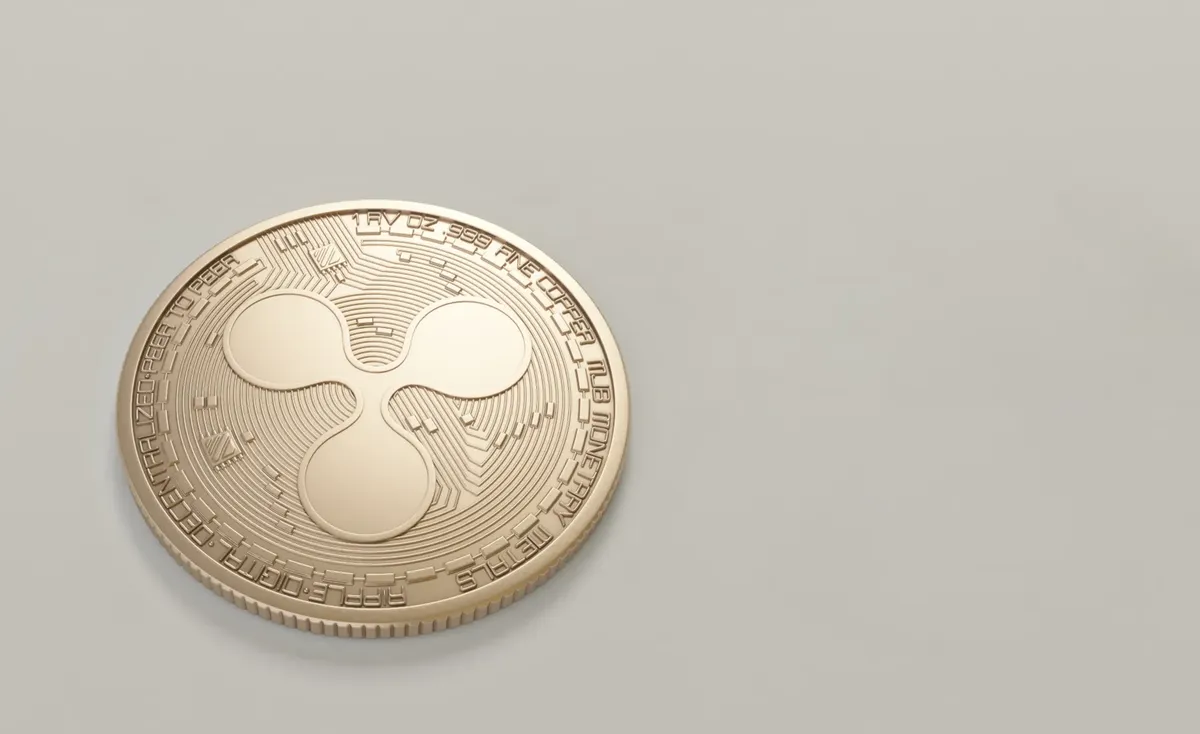
Key Takeaways: * Regulatory approvals in hubs like the DIFC facilitate the expansion of digital assets into mainstream finance. * The global cryptocurrency market maintains massive liquidity with a total market cap exceeding $2.8 trillion.
* Rapid transaction settlement relies on consensus mechanisms that operate within seconds.
How does the global market scale with new assets?
At midnight in the quiet office, the trader wipes sweat from his brow while he watches how the massive market does expand across the screen.
A trader watches the flickering numbers on a screen as the global market cap fluctuates. The sheer scale of the digital economy creates constant movement across various asset classes.
The current state of the digital economy is massive. According to CoinGecko, the global cryptocurrency market has a total market cap of $2,803,661,598,346. This environment includes 22,124 active coins, showing the immense diversity of the ecosystem.
Such scale requires robust infrastructure to handle the constant flow of value. The infrastructure must manage the complexity arising from the sheer number of active coins. This robustness ensures that the market can sustain the constant movement observed across asset classes.
The constant movement necessitates sophisticated systems capable of processing diverse asset types.
What drives the speed of digital transactions? DIFC approves Ripple RLUSD
At midnight, the developer stares at the glowing screen while he watches how the rapid consensus does pulse through the network.
A developer monitors a network node as data packets fly across the globe in an instant. The goal is to ensure that value moves as fast as information.
Speed is a fundamental requirement for modern financial tools. Transactions are validated by a network of independent validators who reach consensus every 3 to 5 seconds, enabling rapid transaction settlement.
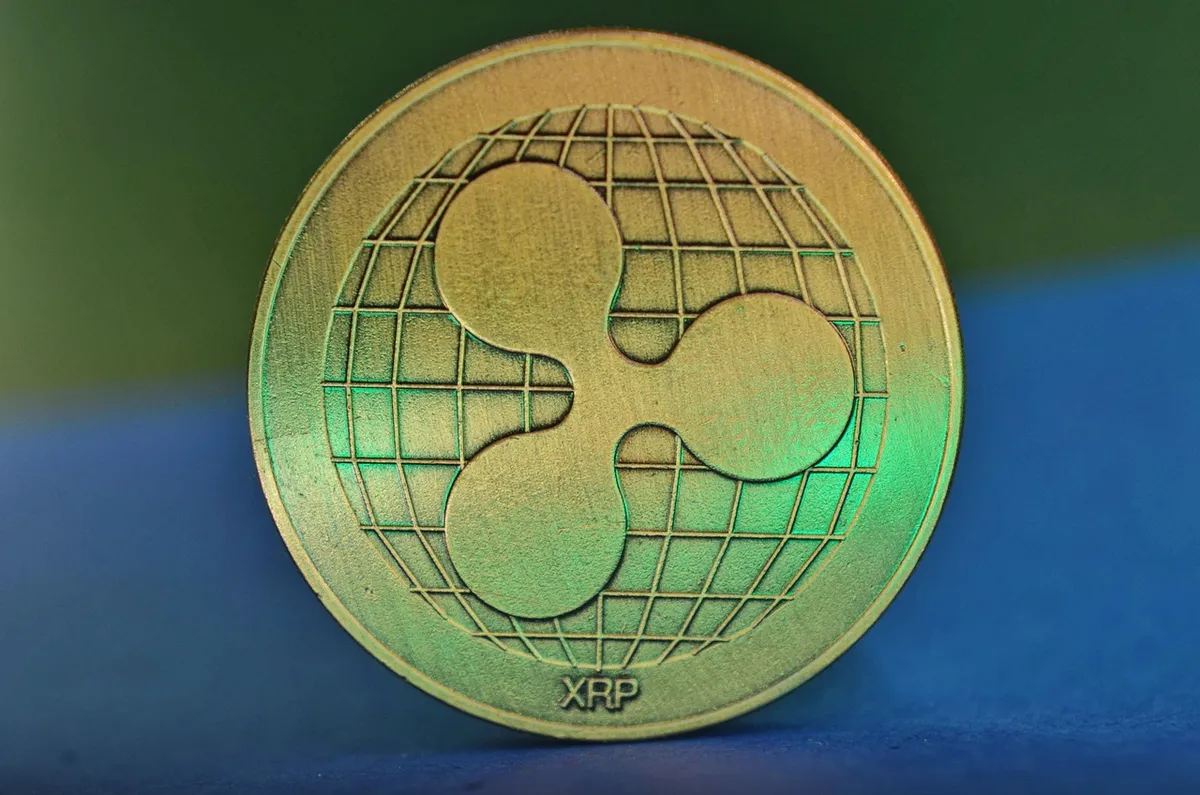
This efficiency is vital for businesses looking to move capital without the delays seen in traditional banking. Such rapid settlement supports the growing demand for real-time liquidity. The consensus mechanism ensures that all participating nodes agree on the validity of the transaction.
This agreement process is what allows the value to move almost instantaneously. The network of validators must operate reliably to maintain this high speed.
How did regulatory history shape current standards?
A legal professional reviews old licensing documents to understand the evolution of digital finance. The path to current regulations was built on previous legal milestones.
Regulatory frameworks have been built through years of compliance and legal precedents. On June 13, 2016, XRP II LLC, an affiliate of Ripple Labs, received a BitLicense from the New York State Department of Financial Services.
This historical milestone demonstrated how digital asset firms navigate complex legal landscapes to achieve legitimacy. Such precedents help shape how modern hubs like the DIFC approach new asset approvals.
The BitLicense provided a defined legal pathway for digital asset operations in that jurisdiction. This regulatory approval showed that compliance was achievable even within a complex legal environment.
What are the roles of early industry pioneers?
An industry veteran looks back at the early days of digital asset transfer protocols. The foundations of the current market were laid by early innovators.
The origins of the industry involve complex collaborations and early organizational structures. Ripple Labs was a co-founding member of the Digital Asset Transfer Authority (DATA) in July 2013.
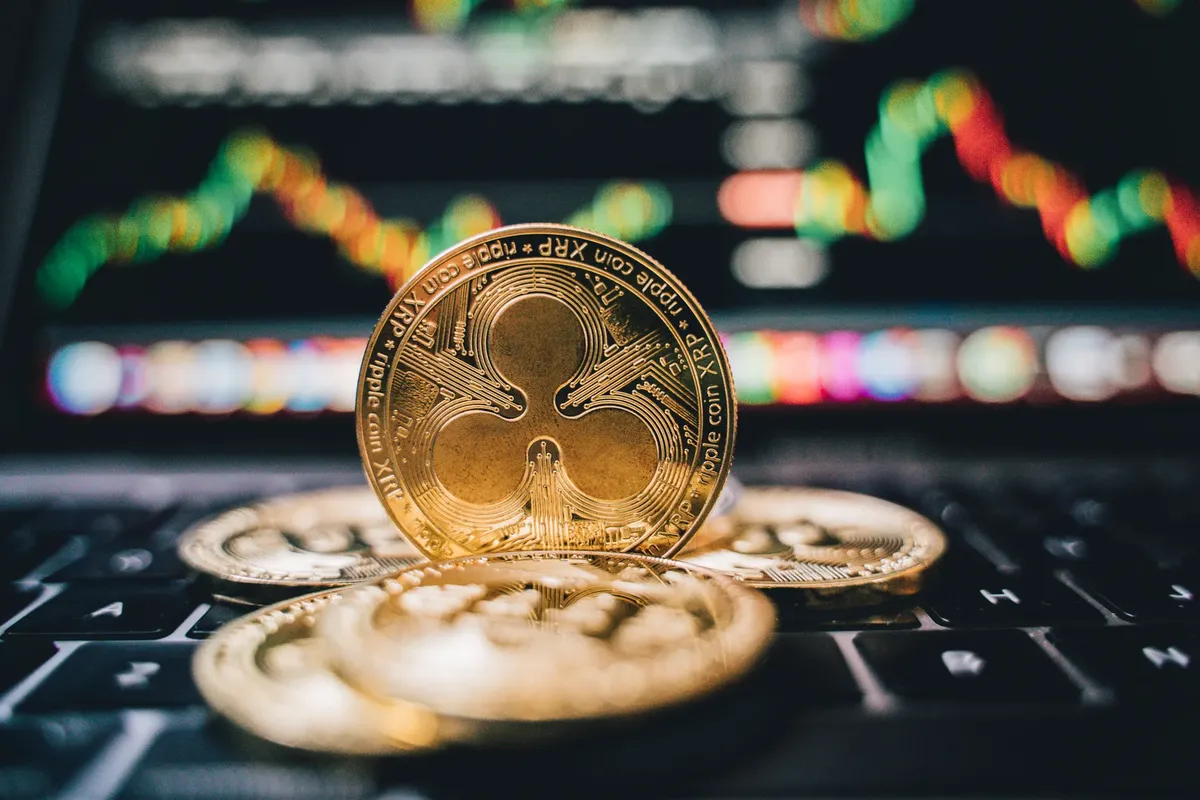
These early efforts helped establish the framework for how digital assets are transferred and managed globally. Understanding these origins provides context for the current expansion of the market. The establishment of DATA provided a foundational structure for digital asset management.
This framework dictated how transfers would be handled across different global systems.
How do investment models work in the crypto space?
An investor evaluates a startup's pitch deck alongside a fluctuating market index. Capital allocation remains a primary driver of technological growth.
Investment strategies in the sector have historically included direct funding for emerging technologies. The firm funds accepted startups with up to US$50,000 (equivalent to $68,000 in 2025) in XRP, Ripple's native currency, in exchange for a 3% to 6% stake in diluted common stock.
This type of venture support fuels the development of new tools within the ecosystem. My observation of these funding models shows how early capital shapes the current technological landscape. The exchange of XRP for equity represents a specific valuation mechanism in these early investments.
This model allows the firm to participate directly in the technological growth of the supported startups.
What is the current state of market dominance?
A market analyst compares the dominance of various assets against the total market volume. The balance of power shifts as new players enter the fray.
The market remains heavily influenced by established players even as new assets emerge. Official CoinGecko data shows a 24h trading volume of $67,714,331,641, with a BTC dominance of 59.1%.
This dominance illustrates the concentrated nature of the market despite the presence of thousands of other active coins. The high trading volume reflects the constant activity across the diverse ecosystem.

The concentration shown by BTC dominance indicates that a few assets command the majority of the market's trading power.
- How does the global market scale with new assets?
- What drives the speed of digital transactions?
- How did regulatory history shape current standards?
The subject here is DIFC approves Ripple RLUSD.
The same subject is also called Ripple RLUSD DIFC approval.
The same subject is also called DIFC digital finance expansion.
The same subject is also called XRP global growth boost.
The same subject is also called RLUSD adoption in Dubai.
This part also covers How DIFC adoption impacts XRP.
This part also covers Ripple's RLUSD global strategy.
This part also covers Dubai's role in crypto finance.
How DIFC adoption impacts XRP
Related





Comments 0