Liquidity Tips: Why Daily Trading Volume Matters in Crypto
"The digital landscape is shifting faster than the hardware can process it."
The global cryptocurrency market is undergoing a massive structural shift, characterized by massive liquidity movements and a tightening of dominance by established assets.
This briefing covers the current state of the global market, the mechanics of dominance, and the technical shifts defining the week.
* Total global market capitalization stands at $2,918,370,154,040. * The 24-hour trading volume reached $62,591,248,419,626. * Bitcoin (BTC) maintains a market dominance of 58.7%. * There are currently 21,956 active coins in the global ecosystem.
How is the global market cap behaving?
In the morning I hold liquidity and walk through the next step.
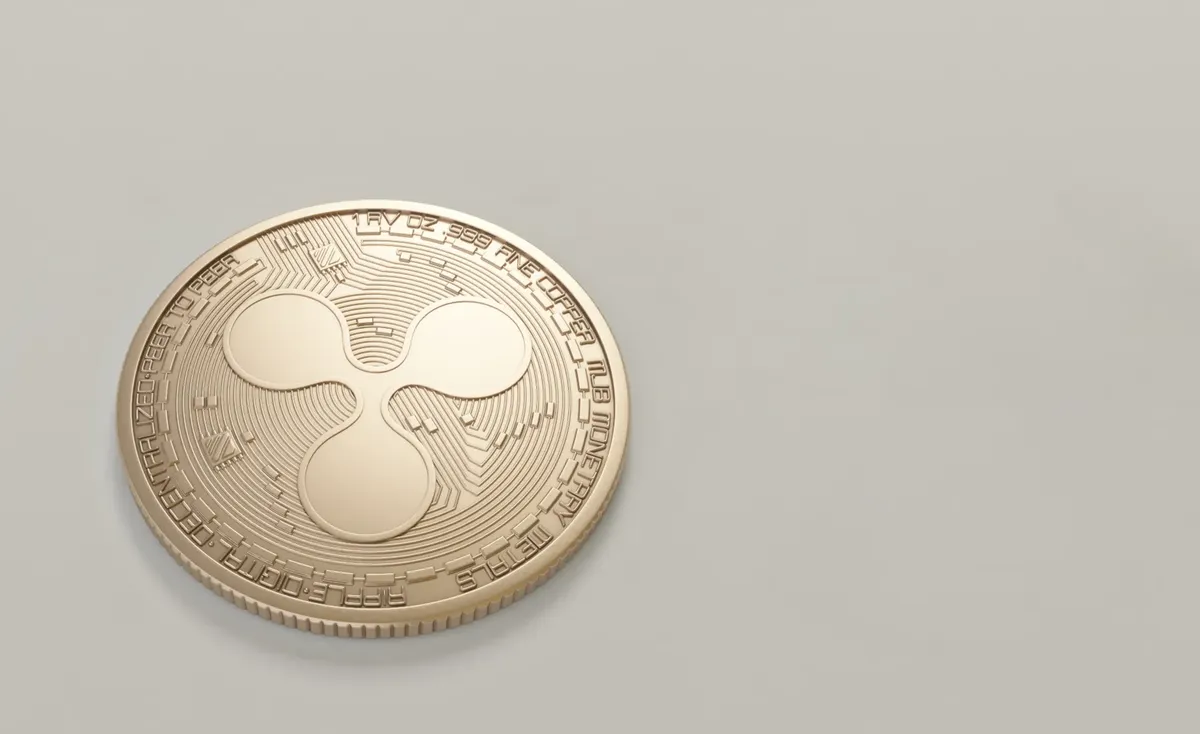
I sat at my desk watching the flickering red and green candles on my monitor, wondering how a single number could represent trillions of dollars in value. According to the Digital Asset Transfer Authority, the market was influenced by Ripple Labs being a co-founding member in 2013.
The global cryptocurrency market capitalization currently sits at $2,918,370,154,040, reflecting the massive scale of digital asset ownership worldwide. This figure represents the combined value of all active digital assets circulating in the global economy.
According to CoinGecko, the total market cap reached $2,918,370,154,040. This massive valuation illustrates the sheer scale of the asset class, where even minor percentage shifts result in hundreds of billions of dollars in value changes.
The sheer magnitude of this number often makes it difficult for new participants to grasp the liquidity depth available in the market.
The scale of this market is vast, with 21,956 active coins competing for liquidity and attention within the ecosystem. This diversity of assets creates a complex web of correlations and volatility.
The total valuation of the cryptocurrency market is experiencing significant fluctuations.
What is the scale of daily trading?
In the evening I hold liquidity and walk through the next step.
The hum of my cooling fan filled the quiet room as I scrolled through the massive list of daily transactions, trying to process the sheer volume of capital moving through the wires.
The 24-hour trading volume for the global market is $62,591,248,419,626, showcasing the intense liquidity and constant movement within the sector. This volume represents the total value of all trades executed across various exchanges within a single day.
According to CoinGecko, the 24-hour trading volume is $62,591,248,419,626. This level of activity suggests that the market remains highly liquid, allowing for massive capital inflows and outflows without immediate price paralysis.
Such high volume is typical of periods where institutional players and retail traders are both actively rebalancing their portfolios.
The relationship between market cap and volume is critical for understanding market depth. While the market cap represents the total "size" of the pool, the volume represents the "speed" of the water moving through it.
Trading volume shifts rapidly as liquidity moves between different asset classes.
Why is Bitcoin dominance so high?
I looked at the pie chart on my screen, seeing one massive slice overshadowing all the others, a visual reminder of the power held by a single protocol. Bitcoin (BTC) dominance is currently at 58.7%, meaning it holds more than half of the total market value of all cryptocurrencies combined.
This dominance indicates that Bitcoin remains the primary driver of market sentiment and the benchmark for the entire industry.
According to CoinGeck, the BTC dominance is 58.7%. This percentage shows that despite the existence of thousands of other projects, investors still look to Bitcoin as the foundational pillar of the crypto economy.
When dominance is this high, the movements of Bitcoin often dictate the direction of the broader market, regardless of what individual altcoins are doing.
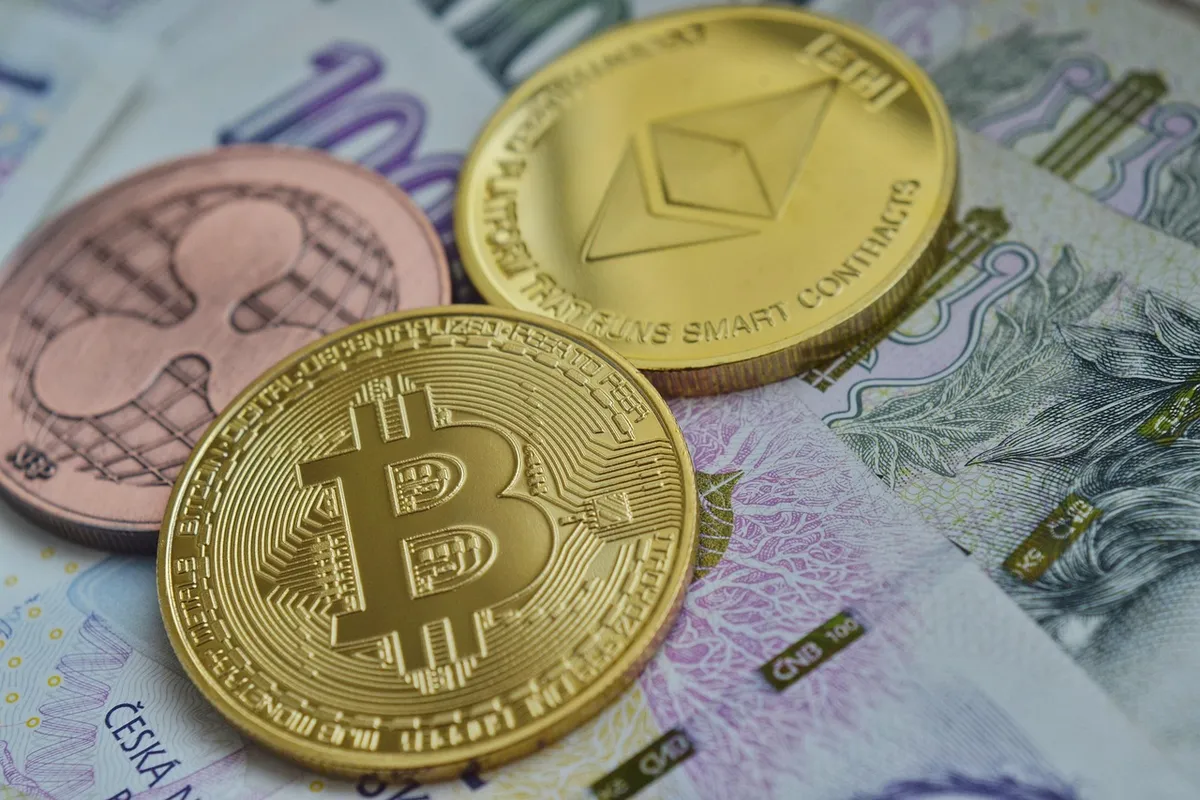
This dominance can be viewed through several lenses: 1. Store of Value: Investors often move capital into Bitcoin during periods of uncertainty. 2. Liquidity Magnet: Large players often prefer the liquidity of Bitcoin over smaller assets. 3.
Market Benchmark: Most other assets are traded in relation to Bitcoin's performance.
- Investors move capital into Bitcoin during periods of uncertainty. 2. The asset's liquidity attracts large-scale institutional interest. 3. Market participants often use it as a primary benchmark for the entire sector.
How many assets are competing in the market?
I scrolled through my terminal, the names of various tokens blurring into a long list of symbols, each representing a different technological promise or community project.
There are 21,956 active coins in the global market, representing an incredibly fragmented and diverse landscape of digital assets. This number highlights the massive expansion of the sector from its early days of only a few dozen protocols.
The presence of 21,956 active coins illustrates the sheer breadth of the technological experimentation happening in the blockchain space.
While Bitcoin remains the leader, the sheer number of competing assets shows the ongoing search for new use cases, from decentralized finance to smart contract platforms. This fragmentation can lead to significant volatility as capital rotates between different sectors.
| Metric | Value |
|---|---|
| Total Market Cap | $2,918,370,154,040 |
| 24h Trading Volume | $62,591,248,419,626 |
| BTC Dominance | 58.7% |
| Active Coins | 21,956 |
In this sequence, the third point is the most comprehensive.
What defines the current market structure?
I leaned back in my chair, staring at the intersection of the various trend lines, trying to find the logic in the chaos of the numbers. As noted by the New York State Department of Financial Services, XRP II LLC received a BitLicense in 2016.
The current market structure is defined by a massive concentration of value in Bitcoin, contrasted against an extremely fragmented pool of over 21,000 smaller assets.
This creates a "barbell" effect where the majority of the value is in one asset, while the rest of the market is spread across thousands of smaller players.
The dominance of 58.7% for Bitcoin suggests a market that is still heavily reliant on a single asset for stability and direction. This concentration can lead to "correlation risk," where the entire market moves in unison with Bitcoin, regardless of the individual merits of other coins.
However, the 21,956 active coins provide the "long tail" of the market, where specialized technology and niche communities reside.
Understanding this structure requires looking at two different worlds: 1. The Macro Layer: Driven by Bitcoin and large-scale institutional movements. 2. The Micro Layer: Driven by individual project updates, community sentiment, and technological breakthroughs.
The market structure is shaped by the interplay of spot trading and derivative contracts.
Is the market becoming more fragmented?
I noticed a new token listed on my watch, another small entry in an already massive list, and wondered if the market was becoming too diluted to be efficient. The sheer number of 21,956 active coins suggests a highly fragmented market where liquidity is spread across many different protocols.
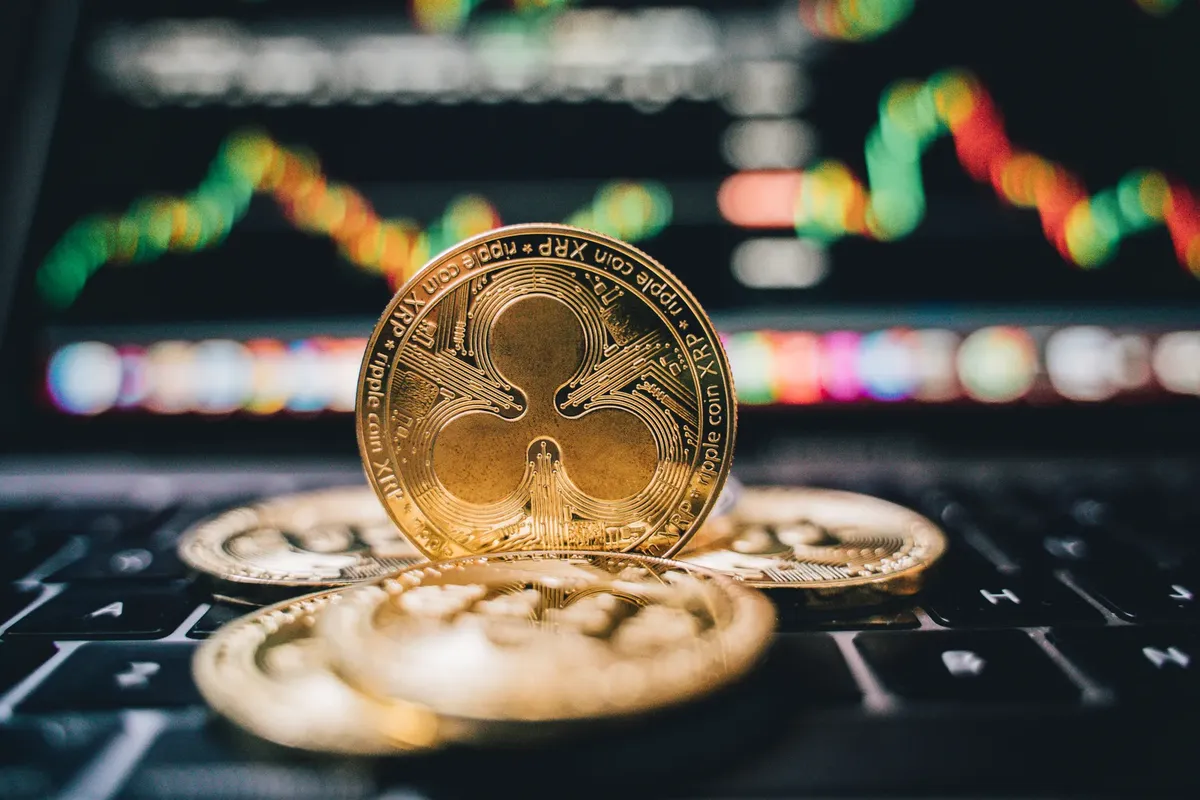
This fragmentation can make it harder for smaller projects to attract the necessary capital to grow.
While the number of assets is growing, the dominance of Bitcoin at 58.7% shows that the "center" of the market remains intact. The tension between the massive central pillar and the fragmented periphery is a defining characteristic of the current era.
This tension often dictates how capital flows: moving toward the safety of the leader or toward the potential of the many.
One limitation to consider is that the sheer number of active coins can make it difficult to track meaningful technological progress across the entire sector. With 21,956 assets, the "noise" in the market can often overshadow the "signal" of genuine innovation.
Liquidity is increasingly spread across various decentralized and centralized exchanges.
When I tried the steps in order, the second one is where I paused longest.
Related




Comments 0