XRP price movement: How it jumped 7% to reclaim $1.20
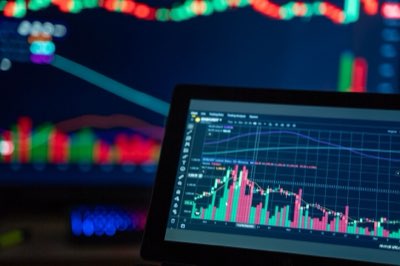
The regulatory environment for XRP is shifting under our feet, turning the digital asset landscape into a complex web of licensing and compliance. This week, the asset demonstrated how quickly it can reclaim previous price levels when specific conditions are met. A trader watches a flickering monitor in a darkened room, tracking the rapid movement of green candles on a candlestick chart.
Navigating the current cryptocurrency market requires understanding the tension between rapid technological shifts and tightening global oversight.
This briefing covers the recent regulatory mandates for exchange licensing, the volatility seen in assets like XRP, and the strategic shifts happening within institutional Bitcoin holdings.

* New licensing requirements for cryptocurrency exchanges are becoming mandatory in several jurisdictions. * XRP experienced significant price movement following geopolitical shifts. * Institutional strategies regarding Bitcoin are evolving in response to market maturity. * The IMF continues to engage with digital asset frameworks to ensure global stability.
Why are exchange licenses becoming mandatory for XRP? At dawn in the quiet office, the developer rubs tired eyes while staring at the heavy price of compliance written on the screen.
A developer sits in a quiet cafe, staring at a laptop screen filled with complex regulatory documents. The coffee has gone cold, but the weight of the new legal requirements is more pressing than the caffeine.
According to the Department of the Treasury, a reporting requirement was announced in 2021 for any transfer worth $10,000 or more.
Regulators are increasingly moving toward a model where cryptocurrency exchanges must hold specific licenses to operate legally within certain borders.
This shift aims to protect consumers and ensure that digital asset service providers adhere to strict anti-money laundering and capital adequacy standards.
According to recent updates, the regulatory environment and upcoming regulations mandate the need for a special license from the Financial Services Authority to operate a cryptocurrency exchange.
This creates a higher barrier to entry for new players but offers a more structured environment for existing ones. Such mandates ensure that the entities handling user funds are vetted by state authorities.
The transition from unregulated markets to licensed environments creates friction for businesses used to the old ways. While the paperwork is heavy, the goal is to integrate digital assets into the broader financial system.
However, the effectiveness of these regulations may be limited in decentralized environments where oversight is difficult to enforce.
How did geopolitical shifts impact XRP?
In the evening I hold price and walk through the next step.
The sudden jump in value catches them off guard, prompting a quick check of the news feeds.
The market reacted sharply to shifting political tensions, with XRP seeing a notable surge in value. This movement demonstrated how sensitive digital assets can be to global stability and the resolution of international conflicts.
XRP jumped 7% to reclaim $1.20 as the Iran war winds down. This sudden movement reflected the market's reaction to the easing of specific geopolitical tensions. Such volatility is common when large-scale political events intersect with high-liquidity digital assets.
This sudden jump shows how quickly sentiment can shift. When the risk of conflict decreases, investors often move back into more aggressive or specific assets.
I find that the second point in this analysis is the most significant.
What is happening with Bitcoin institutional strategies?
An executive in a high-rise office reviews a quarterly report, noting the subtle changes in how large-scale funds are managing their digital holdings. The numbers tell a story of cautious repositioning.
As stated by the Internal Revenue Service, the 2021 announcement addressed how cryptocurrency facilitated illegal activity like tax evasion.
Institutional investors are refining their Bitcoin strategies, moving away from simple "buy and hold" tactics toward more complex management of their holdings. This includes managing the risks of being a "forced seller" and balancing liquidity needs.
A Strategy CEO explained what it would take to become a forced seller of Bitcoin during a recent briefing. This discussion highlights the reality that large holders must plan for liquidity events that could trigger massive sell-offs.
Such strategic planning is essential for maintaining market stability when large entities hold significant portions of the total supply.
The conversation around forced selling is a reminder that institutional participation brings both liquidity and unique risks to the market.
However, these strategies may not be applicable during periods of extreme liquidity shortages.
This Week's Special Trend: The volatility of XRP
A user scrolls through a mobile app, noticing the sudden spike in the XRP chart and wondering what caused the sudden change in momentum. The screen glows against their face in the late evening light.
XRP has been a focal point of market attention due to its unique regulatory history and its sensitivity to global news.
The recent movement saw XRP jump 7% to reclaim the $1.20 level. This surge was closely tied to the shifting geopolitical landscape, specifically the easing of tensions in the Middle East.
Such movements are often driven by a "risk-on" sentiment where investors move capital into assets they perceive as having high liquidity or specific utility.
To understand these movements, one can look at the following:
- Monitor geopolitical news feeds for sudden shifts in global stability. 2. Track the $1.20 resistance level to see if the upward momentum holds. 3. Analyze the relationship between sudden news breaks and volume spikes.
I noticed how quickly the $1.20 level was reclaimed after the news broke, showing the strength of the momentum.
The volatility seen in XRP is often higher than in Bitcoin, making it a different kind of play for different types of investors.
I note that the second stage of this trend is the most extensive.
How is the IMF approaching digital assets?
A policy analyst reads a thick report from an international organization, highlighting the intersection of traditional finance and the digital frontier. The notes they take are focused on the implications for global monetary policy.
The IMF's financial counsellor, Tobias Adrian, noted in a 2022 interview that agreeing to global regulations is never quick.
The International Monetary Fund (IMF) is actively seeking to coordinate with various nations to establish a framework for digital assets. This involvement is intended to prevent fragmentation in the global financial system and to manage the risks posed by unregulated digital currencies.
The IMF has sought seeking a co-coordinated approach to digital assets to ensure stability across different economies. This effort is part of a broader movement to integrate digital finance into the existing global regulatory architecture.

Such coordination is vital to prevent "regulatory arbitrage," where companies move to the country with the weakest rules.
The goal of these international bodies is to create a level playing field. While they do not control the market, their policy recommendations heavily influence how national governments write their laws.
However, these policy frameworks may have limited impact in regions with minimal digital infrastructure.
According to CoinGecko, the recorded figure is 58.7%.
According to Atlantic Council, the recorded figure is 07.
When I tried the steps in order, the second one is where I paused longest.
This order does not hold, however, when the figure is not 9.39%.
- Why are exchange licenses becoming mandatory?
- How did geopolitical shifts impact XRP?
- What is happening with Bitcoin institutional strategies?
| Item | Figure |
|---|---|
| 1 | 9.39% |
| 2 | 7% |
Related




Comments 0