12% Crypto Users: Why Awareness of Listing Risks Matters
"An exchange listing is the bridge between a digital protocol and the global economy."
A listing on a major cryptocurrency exchange acts as a powerful stamp of legitimacy and liquidity, often serving as the single most significant event in a project's lifecycle.
For investors and developers alike, being added to a trading platform changes the fundamental nature of an asset from a niche technological experiment to a tradable financial product.
* Liquidity Injection: Listings provide the necessary volume for users to enter and exit positions easily. * Validation Signal: Being listed often implies a level of scrutiny regarding security and compliance. * Mass Adoption Catalyst: Exchanges serve as the primary gateway for retail-level consumer access. * Regulatory Scrutiny: Listings often trigger oversight from government bodies regarding consumer protection.
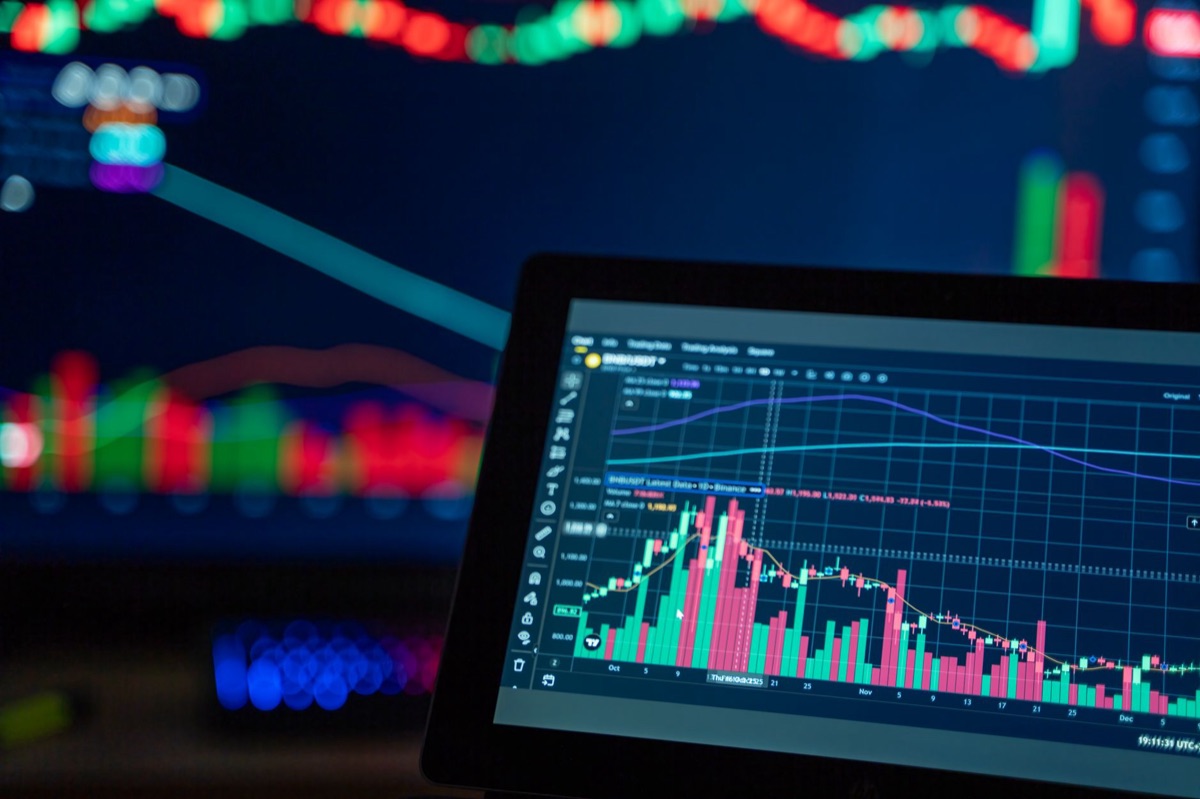
Why did code suddenly turn into currency? A developer sits in a quiet office, staring at a terminal screen as they push the final lines of code to a blockchain. The project exists, the community is growing, but the asset remains trapped within a closed ecosystem of private wallets and niche decentralized exchanges.
The jump from a private wallet to a major exchange listing represents the moment a digital asset enters the public consciousness. When a token is added to a global trading platform, it gains immediate access to millions of potential users and trillions of dollars in collective liquidity.
This transition is not just about ease of trading; it is about the sudden availability of a market price that the entire world can see and react to.
However, this sudden visibility brings intense scrutiny. The transition from a private development phase to a public trading phase often invites the attention of lawmakers and regulatory agencies who monitor how these assets impact the broader financial landscape.
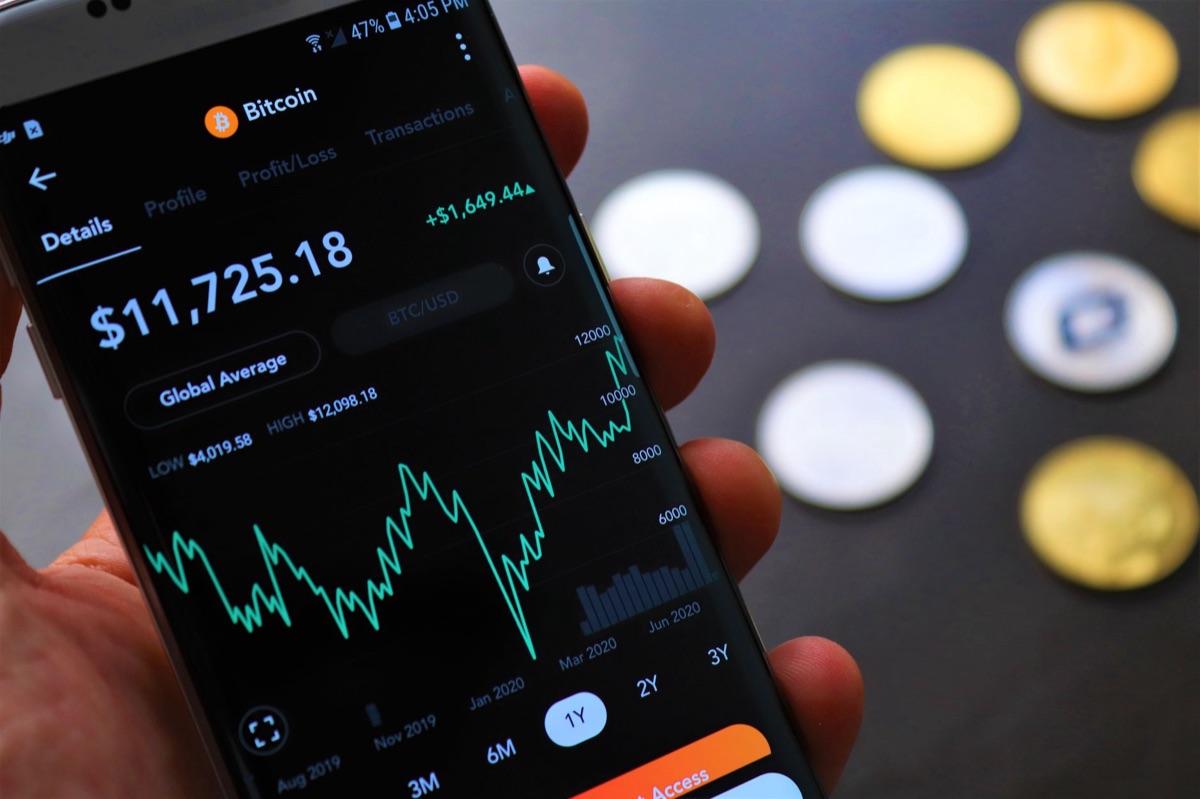
Will regulation stop exchanges from growing? A heavy silence fills a boardroom as legal counsel reviews a stack of documents regarding new compliance protocols. The tension is palpable because the rules of the game are being rewritten in real-time by government agencies.
Regulatory bodies view the rapid expansion of exchange listings as a potential risk to consumer stability. Because exchanges act as the primary interface between the traditional banking system and the crypto market, they are under constant watch.
According to Wikipedia, in August 2022, Robinhood's cryptocurrency division was fined $30 million by the New York State Department of Financial Services for allegedly violating anti-money-laundering and cybersecurity regulations, in the department's first cryptocurrency-related enforcement action.
This event highlighted how the sudden scale of an exchange's crypto offerings can lead to significant legal repercussions if compliance does not keep pace with growth.
The danger of consumer exposure remains a central theme in legislative discussions.
On 8 July 2021, Senator Elizabeth Warren, part of the Senate Banking Committee, wrote to the chairman of the SEC and demanded answers on cryptocurrency regulation due to the increase in cryptocurrency exchange use and the danger this posed to consumers.
These historical moments show that as listings increase, so does the pressure from the government to ensure those listings do not lead to systemic instability or individual loss.
| Feature | Decentralized Exchange (DEX) | Centralized Exchange (CEX) |
|---|---|---|
| Access Level | Technical/Advanced Users | General Public/Retail |
| Liquidity Source | Automated Market Makers | Order Books/Market Makers |
| Regulatory Risk | Lower direct oversight | Higher direct oversight |
| Listing Process | Permissionless/Automated | Curated/Manual |
The transparency gap in consumer awareness
A person checks their smartphone during a morning commute, seeing a new coin listed on their favorite trading app. They feel a sense of excitement, unaware of the complex legal structures or the lack of protection behind the screen.
The ease of use provided by major exchanges often masks the inherent risks of the crypto market. Many users assume that because an asset is listed on a reputable-sounding platform, it carries the same protections as a traditional bank account or a brokerage-held stock.
This misconception is a significant hurdle for market maturity.
According to Wikipedia, fewer than one in 10 potential cryptocurrency buyers were aware of consumer warnings on the Financial Conduct Authority (FCA) website, and 12% of crypto users were not aware that their holdings were not protected by statutory compensation.
This lack of awareness means that the "liquidity" provided by a listing can sometimes be a double-edged sword, as users may not fully understand the risks of the assets they are acquiring.
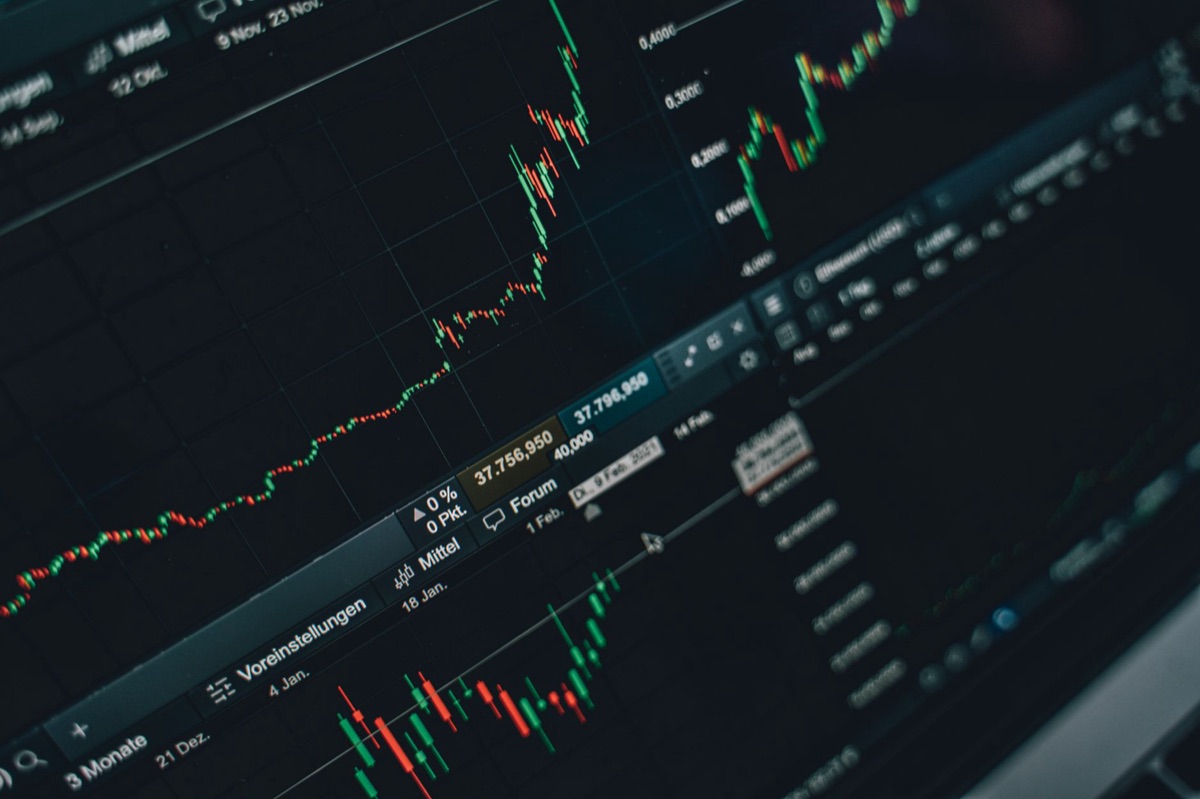
Tracking the movement of value
A bank teller looks at a printed report of large-scale transfers, noting the sheer volume of capital moving through digital channels. The sheer scale of the movement requires clear reporting lines to prevent illicit activity.
As listings make it easier to move large sums of money, the government's ability to track these flows becomes paramount. The intersection of exchange listings and traditional finance requires clear boundaries to prevent money laundering and ensure tax compliance.
The Department of the Treasury, on 20 May 2021, announced that it would require any transfer worth $10,000 or more to be reported to the Internal Revenue Service.
This type of reporting requirement underscores the reality that as crypto assets become more liquid through exchange listings, they become increasingly integrated into the purview of national tax and finance authorities.
How to evaluate the impact of a listing
A researcher meticulously compares the volume of two different trading pairs, looking for the moment a new listing changes the market's behavior. They are looking for the fingerprint of institutional vs. retail interest.
When evaluating the significance of an exchange listing, one must look beyond the simple fact of the coin being available for purchase. The impact can be broken down into three distinct phases of market integration:
- The Liquidity Phase: The immediate increase in trading volume as the asset becomes accessible to a wider pool of capital. 2. The Validation Phase: The period where the community and the market decide if the listing represents a permanent move or a temporary speculative event. 3. The Integration Phase: When the asset begins to be used in other financial products, such as ETFs or as collateral, often following successful listing cycles.
While the sudden surge in volume can be significant, it is important to note that listings do not guarantee long-term value or technological success.

The limits of exchange-driven growth
A quiet room where the lights are dimmed, and the only sound is the hum of a cooling fan in a server rack. The focus here is on the limits of the system.
It is critical to recognize that an exchange listing is not a guarantee of a project's survival. While a listing provides the tools for growth, it does not provide the underlying utility or the technological robustness required for a project to endure.
A listing can facilitate high-volume trading, but it cannot manufacture a real-world use case.
When I tried the steps in order, the second one is where I paused longest.
Related







Comments 0