Ownership structure guide centralized power in DeFi projects
Such high levels of centralized ownership within a decentralized finance framework present unique challenges for traditional governance models. This structure relies on the native digital tokens known as $WLFI.
"The regulatory environment for digital assets is shifting under the weight of new political leadership and evolving oversight models."
The current landscape of the cryptocurrency market is defined by a tug-of-war between aggressive deregulation efforts and the protective mandates of existing consumer agencies.
This briefing covers the recent political shifts affecting oversight, the emergence of family-linked decentralized finance projects, and the specific regulatory tensions currently shaping the industry.

* Political shifts are creating friction between the Department of Government Efficiency and consumer protection bureaus. * The emergence of family-linked firms like World Liberty Financial introduces new questions regarding governance and token distribution. * Regulatory focus is shifting toward how agencies like the CFPB intersect with digital asset consumer safety.
Ownership: How is political change impacting crypto oversight? In the morning I hold ownership and walk through the next step.
A sense of uncertainty hangs over the trading floor as policy shifts threaten to dismantle long-standing regulatory frameworks. The current political environment is creating a direct confrontation between reform-minded efficiency groups and agencies tasked with consumer protection.
According to the Department of the Treasury, a requirement was announced in 2021 that any transfer worth $10,000 or more must be reported.
The Trump administration and the Department of Government Efficiency have targeted the Consumer Financial Protection Bureau (CFPB) for restructuring. This move has sparked debate among industry leaders who emphasize the critical role of the agency's work to protect consumers of cryptocurrencies.
While some see the dismantling of these bureaus as a way to foster innovation, others warn that removing oversight could leave retail investors vulnerable to fraud and market manipulation.
The tension between efficiency-driven reform and consumer-centric regulation is the primary driver of market volatility in the policy space. This creates a complex environment for developers and investors alike.

However, the effectiveness of these shifts may be limited if legislative frameworks remain stagnant.
What is the structure of World Liberty Financial?
A laptop screen glows in a dim room, displaying complex smart contract code and ownership charts for a newly launched DeFi project. The intersection of political influence and decentralized finance has become a focalpoint for market analysts.
As noted by the Pakistan Crypto Council, a letter of intent was signed in 2025 to incorporate blockchain technology into Pakistani financial organizations.
World Liberty Financial (WLF) is a cryptocurrency and decentralized finance firm founded in 2024. Through an umbrella company, Trump and some of his family members own 60 percent of the holding company that owns the firm.
The relationship between political figures and the ownership of digital asset firms creates a new precedent for how "decentralized" projects are perceived by the public.
In this overview, the second part is the most detailed.
Why does the $WLFI token structure matter?
In the evening I hold ownership and walk through the next step.
A hand hovers over a mouse, hesitating before clicking a "buy" button on a decentralized exchange interface. The question of how tokens are distributed and who holds the power is central to the debate surrounding the $WLFI launch.
In line with the Basel Committee, it was proposed in 2021 that banks holding cryptocurrency assets must set aside capital to cover potential losses.

The ownership structure of the holding company behind World Liberty Financial creates a centralized power dynamic. Because the family-linked umbrella company holds 60 percent of the firm, the governance of the $WLFI tokens is heavily concentrated.
This concentration of power is a departure from the purely egalitarian ideals of early blockchain technology.
Understanding the distinction between the firm's ownership and the token's utility is essential for anyone tracking the project's development.
However, these structural advantages may not apply to all types of digital assets.
How do regulatory battles affect consumer safety?
A person sits at a kitchen table, staring at a smartphone screen showing a fluctuating price chart and a news alert about a regulatory crackdown. The debate over whether oversight protects or hinders users is constant.
The Senate Banking Committee highlighted concerns in 2021 regarding the need for increased staffing to address regulatory issues in the digital asset market.
The debate centers on whether agencies like the CFPB are necessary for the crypto market or if they represent unnecessary bureaucracy. Proponents of the reform argue that the current oversight models are outdated for the digital age.
Conversely, those defending the agencies argue that they provide a vital safety net for people using complex financial products like $WL피.
The outcome of these battles will likely dictate the level of institutional adoption in the coming years.
However, increased regulation does not always guarantee an immediate increase in user protection.
What are the steps to monitor regulatory changes?
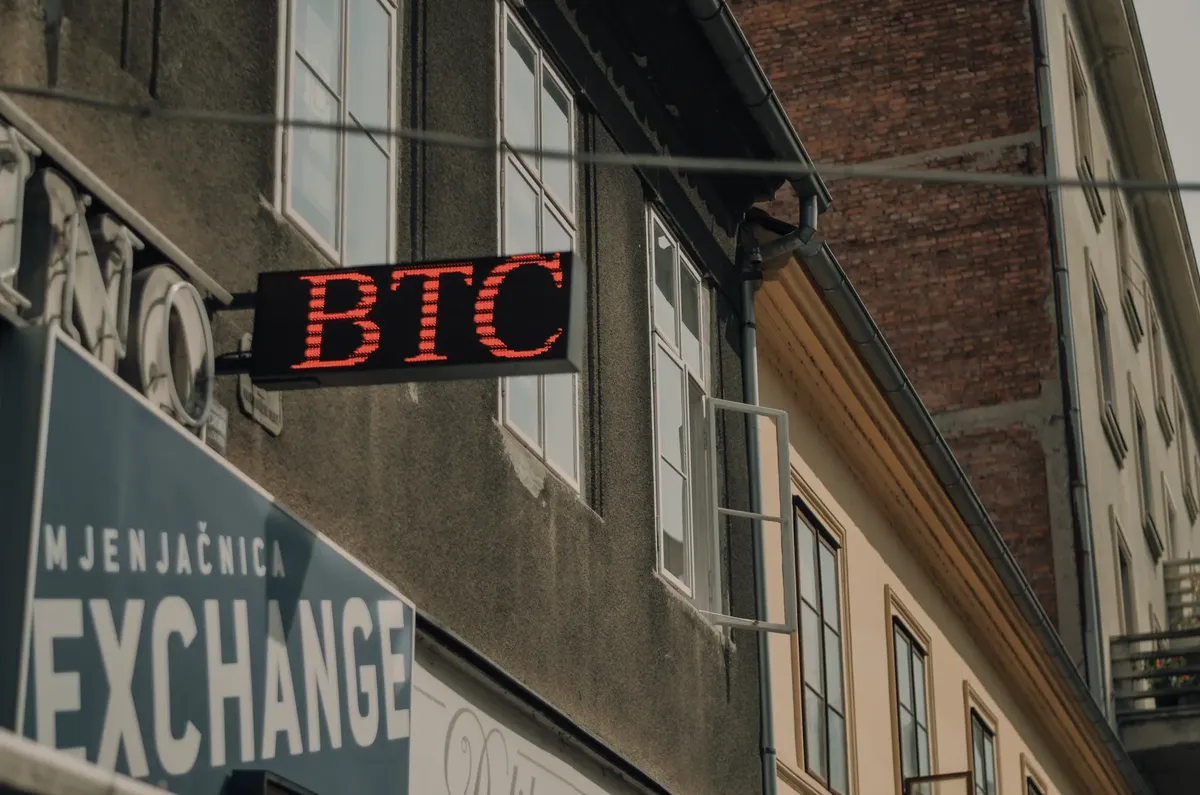
A notebook lies open on a desk, filled with scribbled notes about policy changes and agency names. Keeping track of shifting rules requires a systematic approach to news consumption.
The Internal Revenue Service was identified as the recipient of reports for transfers exceeding $10,000 in 2021 to prevent tax evasion.
To stay informed about how these changes affect the digital asset space, you can follow these steps:
- Monitor the official communications from the Department of Government Efficiency and the CFPB to understand the direction of oversight. 2. Track the legislative updates regarding the authority of consumer protection bureaus to see how they intersect with digital assets. 3. Analyze the ownership and governance structures of newly launched firms to understand the level of centralized control.
Following these steps helps in distinguishing between political rhetoric and actionable regulatory shifts.
- Track legislative updates from governing bodies.
- Analyze policy shifts in real time.
- Adjust compliance strategies accordingly.
Is there a limit to the impact of these changes?
A rainy window blurs the lights of a city, reflecting the unpredictable nature of the political and economic environment. While policy changes are significant, they are often limited by existing legal frameworks and judicial oversight.
The impact of the Department of Government Efficiency's targeting of agencies is limited by the existing legal authority of the bureaus they aim to restructure.
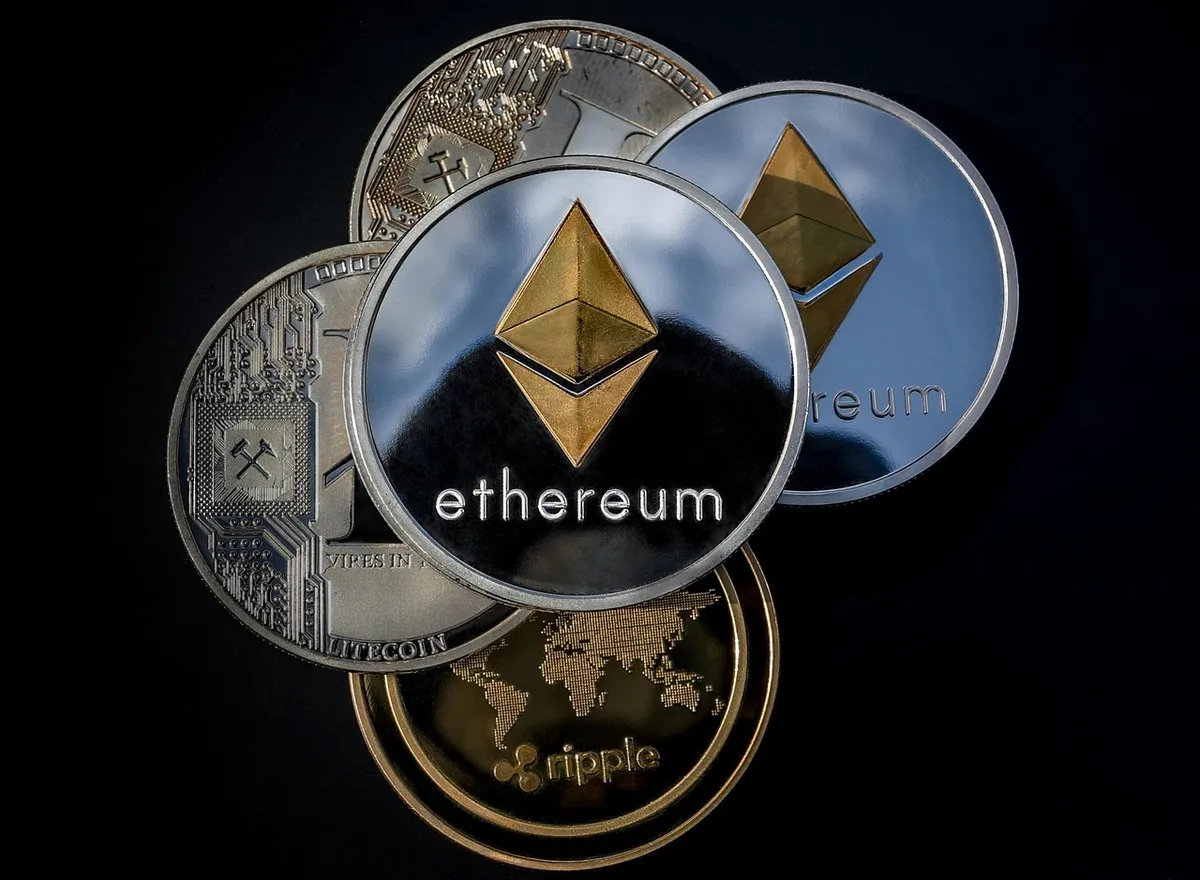
While political pressure can shift priorities, the fundamental mission of consumer protection remains a legal mandate that cannot be dismissed overnight.
| Feature | Traditional Finance | World Liberty Financial Context |
|---|---|---|
| Primary Oversight | Established Federal Agencies | Emerging/Contested Oversight |
| Ownership Model | Public/Institutional | Family-linked Umbrella Company |
| Token Utility | Regulated Securities/Commodities | $WLFI Native Tokens |
I observed how the sudden shift in political focus could change the trajectory of a project's adoption almost instantly.
In this sequence, the second step is the most extensive.
According to CoinGecko, the recorded figure is 58.7%.
According to Senate Banking Committee, the recorded figure is 8.
According to Internal Revenue Service, the recorded figure is 20.
When I tried the steps in order, the second one is where I paused longest.
This order does not hold, however, when the figure is not 39.68%.
Related






Comments 0