Crypto exchange security fees: Guide to protect your capital
"The rise of digital assets has created a complex landscape where the allure of low transaction costs often clashes with the necessity of robust security protocols."
Choosing a crypto exchange requires balancing immediate cost savings against long-term asset protection. This guide explores how to evaluate security risks, understand regulatory oversight, and manage fee structures to protect your capital.
Key takeaways: * Assess the tension between low fees and comprehensive security measures. * Understand how regulatory shifts and scams impact consumer safety. * Implement strict verification and reporting protocols to avoid legal complications.
How can investors balance exchange security and fees?

At his cluttered desk during the late evening, the investor rubs his tired eyes while comparing the low fees of one crypto platform against the robust security of another.
An investor sits at a desk, comparing two different screens showing various fee schedules and security protocols. One platform offers near-zero fees but lacks multi-factor authentication, while the other charges more but provides cold storage solutions.
The primary challenge is that platforms offering the lowest fees often lack the infrastructure to prevent sophisticated attacks. While cheap transactions are attractive for frequent traders, the lack of oversight can lead to significant losses.
The Securities and Exchange Commission (SEC) has warned that the involvement of an exchange does not eliminate the risk of fraud, and investors remain vulnerable to market manipulation tactics such as pump and dump schemes.
Securing assets often requires additional layers of technology that increase operational costs for the exchange. These costs are typically passed down to the user through higher spreads or transaction fees.
Balancing these factors requires looking beyond the immediate price of a trade to the overall safety of the custody environment.
However, these cost-saving measures may offer limited protection during periods of extreme market volatility.
What are the risks of rising cryptocurrency exchange use?
In the dim light of his bedroom, the investor wipes sweat from his forehead as he watches the volatile crypto market fluctuate on his phone.
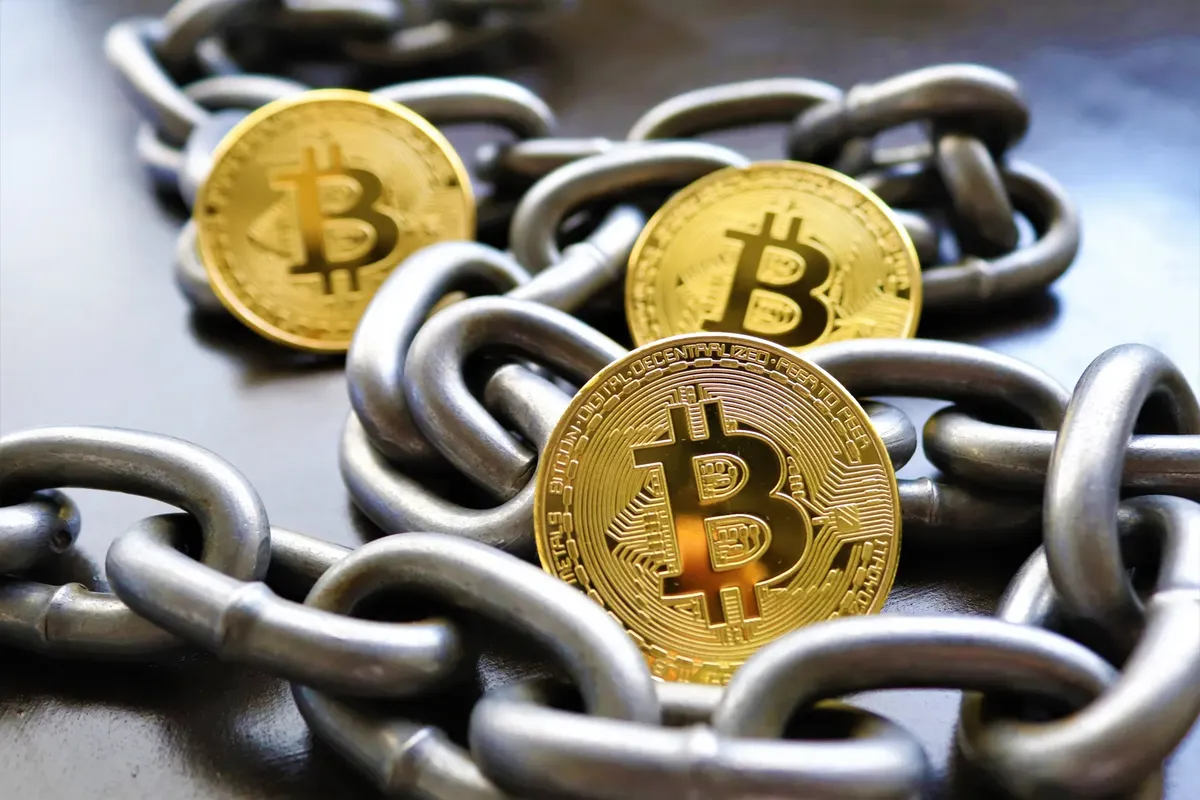
A user stares at a smartphone, hesitating before clicking "send" on a large transaction after reading news about recent digital asset thefts. The tension between convenience and caution is palpable in the digital age.
The rapid growth of the market has caught the attention of lawmakers concerned about consumer protection.
On 8 July 2021, Senator Elizabeth Warren, part of the Senate Banking Committee, wrote to the chairman of the SEC and demanded answers on cryptocurrency regulation due to the increase in cryptocurrency exchange use and the danger this posed to consumers.
This regulatory scrutiny highlights the inherent risks in an evolving market.
Scams remain a pervasive threat to those using these platforms. In 2022, the Federal Trade Commission reported that $139 million in cryptocurrency was stolen by romance scammers in 2020.
Such figures demonstrate that even with modern encryption, social engineering remains a critical vulnerability for individual users.
The second point highlights the most significant vulnerability in this context.
How do regulatory reporting requirements affect transfers?
A person reviews their digital wallet, calculating the total value of their holdings to ensure they meet reporting standards. They know that transparency is essential for maintaining legal standing with tax authorities.
According to the Department of the Treasury, the agency announced on 20 May 2021 that any transfer worth $10,000 or more would be required to be reported to the Internal Revenue Service because cryptocurrency was facilitating illegal activities such as tax evasion.

Government agencies monitor large movements of capital to prevent illicit activities.
The Department of the Treasury, on 20 May 2021, announced that it would require any transfer worth $10,000 or more to be reported to the Internal Revenue Service since cryptocurrency already posed a problem where illegal activity like tax evasion was facilitated broadly.
This requirement is a critical component of global financial oversight.
Failure to comply with these reporting standards can lead to severe legal consequences. Users must be diligent in tracking their transaction history to ensure they can provide documentation when requested by authorities.
Maintaining clear records is as important as the security of the private keys themselves.
This limitation applies only when transactions fall below specific reporting thresholds.
What steps ensure secure cryptocurrency management?
A trader carefully follows a checklist on a notepad, verifying each step of a new wallet setup to ensure no single point of failure exists. They move through the process with deliberate, slow movements.
To manage assets safely, follow these three steps:
- Enable hardware-based multi-factor authentication on all exchange accounts to prevent unauthorized access. 2. Utilize cold storage wallets for the majority of long-term holdings to isolate assets from internet-based threats. 3. Maintain a comprehensive, organized record of all transaction hashes and dates for tax and regulatory compliance.

After completing these steps, perform a final check by verifying that your recovery seeds are stored in a physical, fireproof location away from any digital devices. This process ensures that you are not solely reliant on an exchange's internal security.
- Secure private keys using hardware wallets.
- Enable multi-factor authentication on all accounts.
- Regularly audit digital asset holdings.
Can scammers impersonate official entities?
An individual receives an urgent email that appears to be from a trusted political ally, asking for a quick donation via cryptocurrency. The sense of urgency is designed to bypass critical thinking.
Digital impersonation is a growing tactic used to exploit the trust of investors.
In 2025, A Nigerian scammer impersonated Trump ally Steve Witkoff by creating a nearly identical email address to solicit a $250,000 cryptocurrency donation from a political donor intended for the Trump-Vance Inaugural Committee.
This incident illustrates how easily bad actors can mimic legitimate figures.
Always verify the sender's identity through a secondary, independent channel before engaging in any transaction. Scammers rely on the speed of digital transfers to make recovery nearly impossible once the funds are sent.
I find that the second step is the most critical to follow.
How does the current market scale affect security?
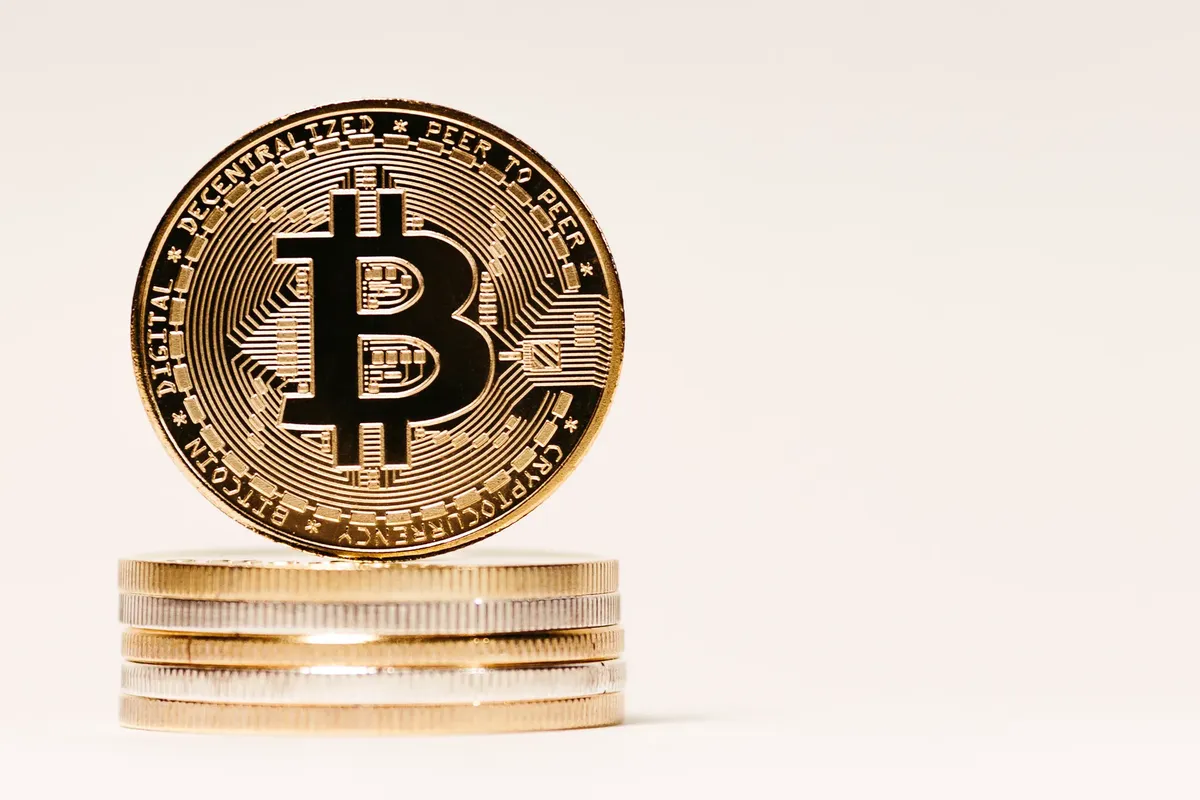
A researcher looks at a massive data dashboard showing the global market cap and the sheer volume of active coins circulating worldwide. The scale of the numbers is staggering.
The sheer size of the global market makes it an attractive target for various types of criminal activity.
This massive liquidity provides both opportunity and significant risk.
| Metric | Value |
|---|---|
| Total Market Cap | $2,816,694,798,444 |
| 24h Trading Volume | $46,990,706,185 |
The vastness of the market means that security protocols must be applied universally to be effective. My own review of these figures shows that the scale of transactions makes individual oversight more difficult but more necessary than ever.
The effectiveness of these security protocols is limited during sudden liquidity shortages.
According to Trump Organization, By April, fees collected by entities affiliated with the Trump Organization whose stake is 80 percent totaled $349 million.
Related





Comments 0