How to Evaluate Crypto Exchange Security Protocols Safely
"Security is not a feature; it is the foundation of every digital asset transaction."
Choosing a cryptocurrency exchange requires balancing the strength of their digital vaults against the cost of moving your money. This guide explores how to evaluate exchange security protocols and fee structures to ensure your assets remain both safe and accessible.
* Understand the difference between hot and cold storage. * Identify common vulnerabilities in exchange infrastructure. * Compare maker/taker fee models and hidden costs. * Learn how to verify proof of reserves. * Identify red flags in exchange transparency.
1. What are the core security risks inherent in cryptocurrency exchanges?
A dark room flickers with the blue light of a single monitor as a developer watches a real-time transaction feed. A sudden spike in outbound transfers triggers a silent alarm, signaling a breach before the morning sun rises.
According to the Department of the Treasury, the government announced on 20 May 2021 that transfers of $10,000 or more must be reported to the IRS to prevent illegal activities like tax evasion.

According to the Federal Trade Commission, approximately 46,000 investors lost more than $1 billion in cryptocurrency scams from January 2021 through March 2022.
The primary risks in the exchange ecosystem involve hot wallet vulnerabilities, phishing attacks, and internal bad actors.
Because exchanges often hold massive liquidity in internet-connected "hot wallets" to facilitate quick trades, they become prime targets for hackers looking to drain funds instantly.
Beyond external hacking, social engineering remains a massive threat to individual users. Phishing attacks often mimic legitimate exchange login screens to steal private keys or multi-factor authentication codes.
Once a user is tricked into revealing credentials, the exchange's internal security cannot protect the funds.
Internal risks also exist, where employees or administrators might bypass protocols to misappropriate assets. This is why decentralization and multi-signature requirements are vital for institutional-grade security.
Without strict internal controls, even the most advanced firewall cannot prevent an insider from moving funds.
The risk of a "rug pull" or total platform collapse is another layer of danger. If an exchange lacks sufficient reserves or is operating as a Ponzi scheme, users may find their balances inaccessible during market volatility.
Always verify if an exchange has a transparent audit process to mitigate these systemic risks.
- Vulnerabilities in hot wallet storage.
- Potential for internal insider threats.
- Risks of large-scale platform hacks.
2. How do fee structures impact your trading costs?
A trader sits at a crowded cafe, tapping a finger rhythmically on a wooden table while checking a mobile app. They realize that a small difference in percentage points has quietly eaten away at their profit margin over the last month.
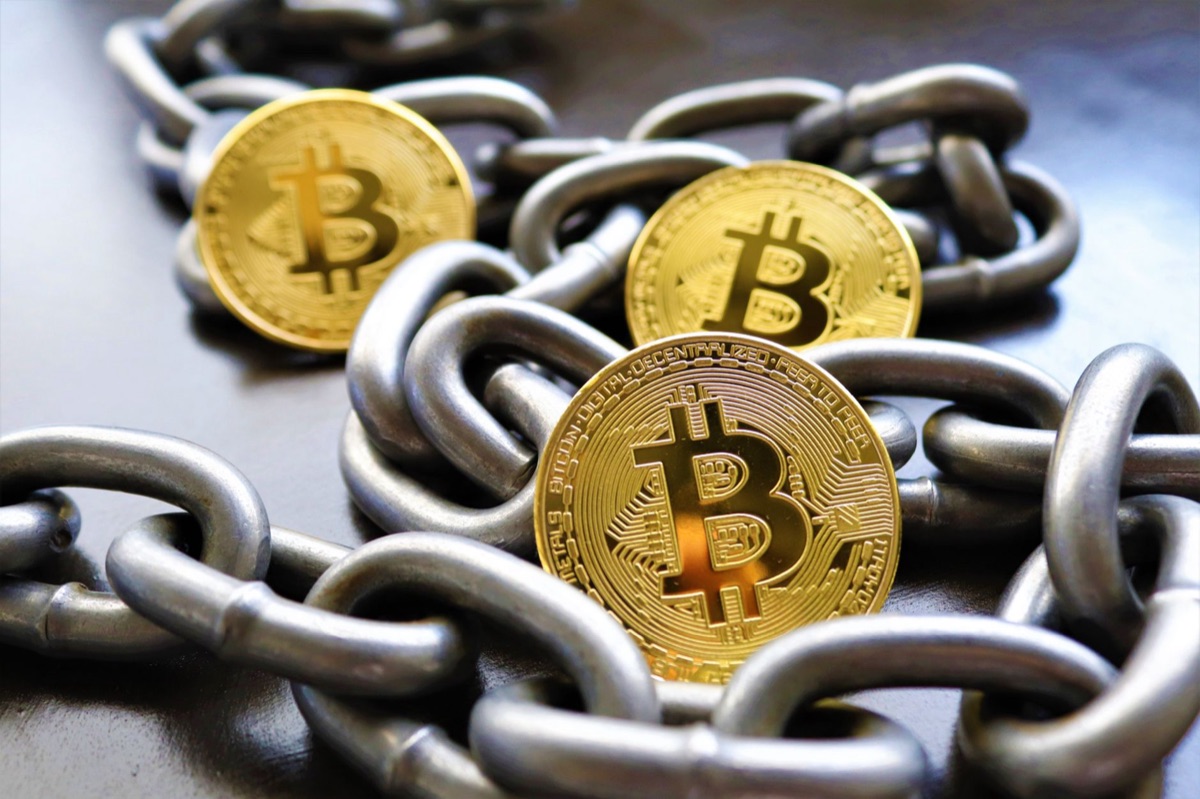
Exchange fees are generally categorized into maker fees, taker fees, and withdrawal fees. A maker fee is charged when you provide liquidity to the order book by placing a limit order, while a taker fee is charged when you remove liquidity by executing a market order.
| Fee Type | Description | Typical Impact |
|---|---|---|
| Maker Fee | Adding liquidity to the order book | Usually lower to encourage market depth |
| Taker Fee | Removing liquidity via market orders | Usually higher due to immediate execution |
| Withdrawal Fee | Cost to move assets to a private wallet | Varies wildly by asset type and network |
Understanding these nuances is vital for long-term cost management. For high-frequency traders, the difference between a 0.1% and a 0.2% fee can mean thousands of dollars over time. Most major exchanges use tiered pricing, where higher trading volumes lead to lower fee percentages.
Spread costs also play a role in the total cost of ownership. The "spread" is the difference between the highest buyer price and the lowest seller price. In low-liquidity markets, the spread can be much larger than the stated fee, effectively acting as an invisible tax on your trade.
In this order, the third point is the most significant.
3. Why is proof of reserves important for user safety?
An empty office sits silent under fluorescent lights, with nothing but dust motes dancing in the still air. A news report on a television screen in the corner mentions a major exchange has frozen all withdrawals, leaving users in a panic.
Proof of reserves is a transparency mechanism designed to prove that an exchange actually holds the assets it claims to own on behalf of its users. Without this, there is a risk that an exchange is using customer funds for its own investments or operational costs.
The process involves using cryptographic techniques, such as Merkle trees, to allow users to verify that their individual balances are included in the total holdings reported by the exchange. This prevents the exchange from falsifying its balance sheet through simple accounting tricks.
However, proof of reserves is only half of the equation; it must be paired with proof of liabilities. If an exchange shows it has 10,000 Bitcoin but does not disclose that it owes users 15,000 Bitcoin, the proof is essentially meaningless.
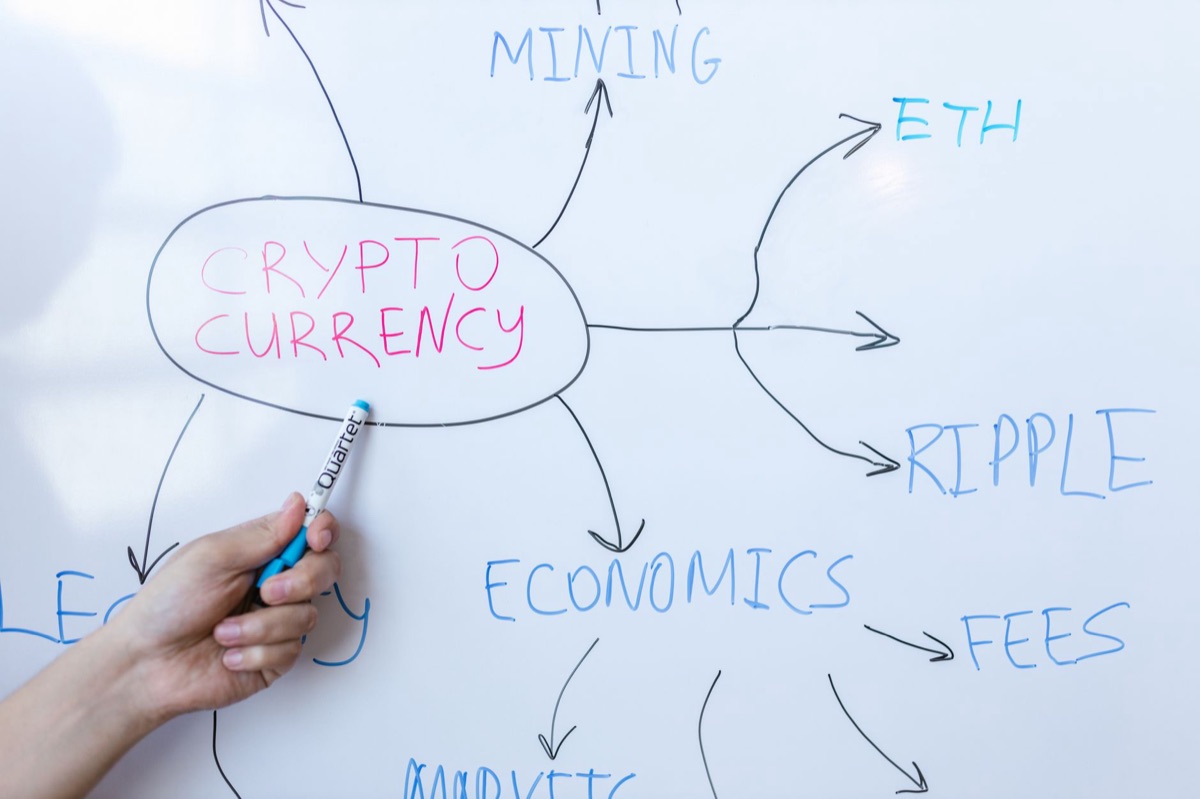
A healthy exchange must demonstrate that its assets significantly exceed its total liabilities.
4. Is it better to keep assets on an exchange or in a private wallet?
A person stands at a crossroads, holding a small metal thumb drive in one hand and a smartphone in the other. They must decide whether to prioritize the convenience of the phone or the cold, hard security of the metal drive.
The decision between keeping assets on an exchange versus a private wallet is a trade-off between convenience and self-custody. Keeping assets on an exchange is easier for active trading, but you do not own the private keys; the exchange does.
If you keep your funds on an exchange, you are essentially trusting them to remain solvent and secure. If the exchange goes bankrupt or is hacked, your access to your money could be lost indefinitely. This is often summarized by the phrase: "Not your keys, not your coins."
On the other hand, a private wallet—especially a hardware wallet—gives you total control. You own the private keys, meaning only you can authorize transactions. However, if you lose your recovery seed phrase, there is no "forgot password" button to click; your funds are gone forever.
5. How can you spot a fraudulent exchange?
A traveler arrives at a hotel only to find the doors locked and the lobby empty of any staff. They realize the website they used to book the room was a sophisticated fake designed to steal their credit card information.
As noted by the Senate Banking Committee, Senator Elizabeth Warren wrote to the SEC on 8 July 2021 to demand answers regarding the dangers posed to consumers by the increase in cryptocurrency exchange use.
As noted by the Senate Banking Committee, Senator Elizabeth Warren wrote to the SEC in 2021 to demand answers regarding the dangers posed to consumers by the increase in cryptocurrency exchange use.
Identifying a fraudulent exchange requires looking for red flags in transparency, regulation, and marketing. Scammers often use aggressive marketing tactics to lure users into depositing funds into platforms that have no intention of allowing withdrawals.
One major red flag is an exchange that promises "guaranteed returns" or unrealistic profit margins. Legitimate trading platforms provide tools for trading, not promises of wealth. If an entity focuses more on recruitment than on technical infrastructure, proceed with extreme caution.
Another sign of trouble is a lack of regulatory registration in major jurisdictions. While crypto regulation varies globally, reputable exchanges typically seek licenses to operate in established markets.
If an exchange is based in an opaque jurisdiction with no oversight, your legal recourse will be minimal if things go wrong.
Finally, watch for issues with withdrawals. If an exchange suddenly implements "maintenance" periods that last for days or requires increasingly complex tasks to withdraw funds, it may be experiencing a liquidity crisis or is a complete scam.
Always research the history of the exchange and its leadership before committing significant capital.
Protocols — Summary of Security and Fee Considerations To navigate the complex world of cryptocurrency exchanges, users must remain vigilant about both technical security and financial costs. Always prioritize platforms that offer multi-factor authentication, cold storage for the majority of assets, and transparent proof of reserves.
The Department of the Treasury announced in 2021 that any transfer worth $10,000 or more would be required to be reported to the Internal Revenue Service to combat illegal activity like tax evasion.
- Verify the exchange's regulatory status and history of outages or hacks. 2. Compare maker/taker fees against the liquidity of the specific trading pairs you use. 3. Use hardware wallets for long-term holdings to ensure true ownership of your assets. 4. Monitor withdrawal fees and spreads to understand the true cost of every trade. 5. Never share your private keys or recovery phrases with anyone, including exchange staff.
I remember the first time I moved a significant amount of Bitcoin to a hardware wallet; the feeling of physical ownership was both empowering and terrifying. It taught me that while exchanges are great for trading, they are not meant to be permanent vaults.
This guide is intended for educational purposes only and does not constitute financial advice. The cryptocurrency market is highly volatile, and users should perform their own due diligence before interacting with any exchange or digital asset.
When I tried the steps in order, the second one is where I paused longest.
Related

Comments 0